
The invitation had been on her kitchen counter for almost two weeks. It was a perfectly nice invitation to a perfectly nice event being hosted by people she genuinely liked…which was precisely the problem. If she didn’t like them, this would have been easy.
She picked it up again.
Cocktails at six. Dinner at seven.

Her daughter was coming to town. It didn’t happen often enough anymore. Work brought her in occasionally, usually for a few days, and whenever the schedule allowed, they carved out an evening for dinner. Her daughter would ask the same question every time.
“Where do you want to go?” And she would give the same answer.
“I don’t care. As long as we’re together.”
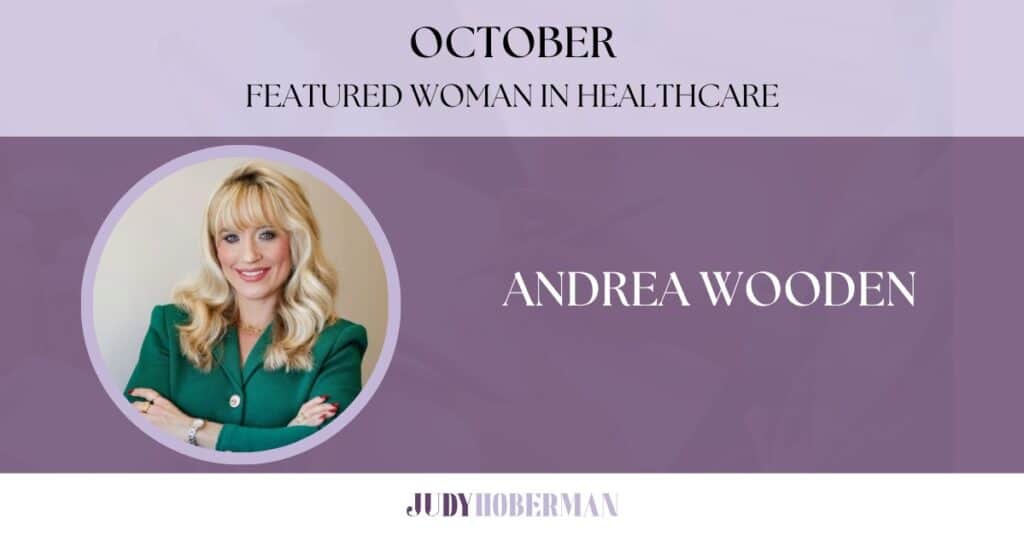
Beginning her career in hospitality, Andrea developed an early understanding of service and the importance of creating seamless experiences through the coordination of multiple departments, people and operational functions. She later entered healthcare through the ancillary business side, gaining experience across biologics, durable medical equipment, laboratory, pharmacy, reimbursement and billing, healthcare technology and other services supporting healthcare operations.
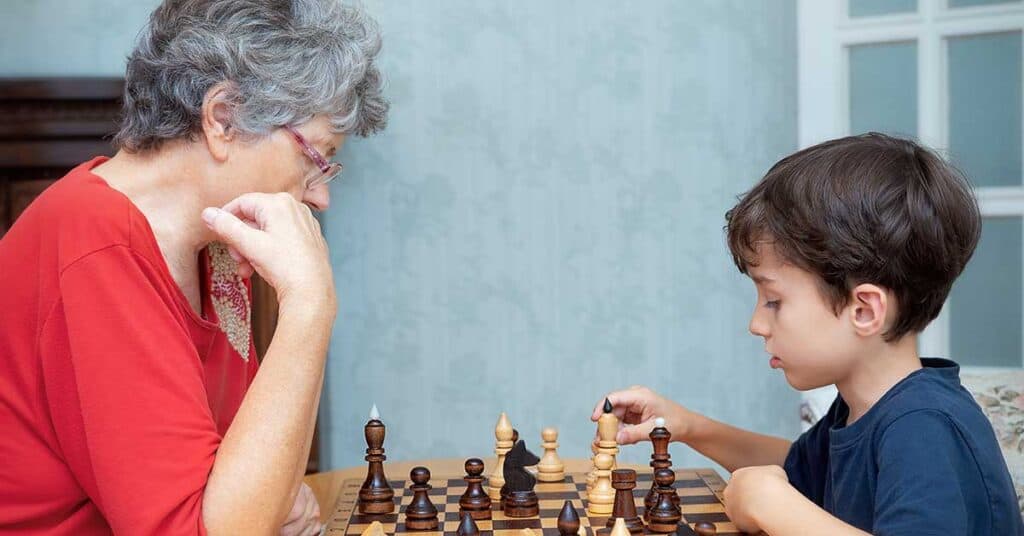
She knew enough about chess to know that her grandson was making up the rules. She hadn’t played in years, so when he pulled out the board and asked if she wanted to play, she warned him that she might be a little rusty. He assured her that was fine because he knew exactly how to play.
Within five minutes, she knew that wasn’t entirely true.
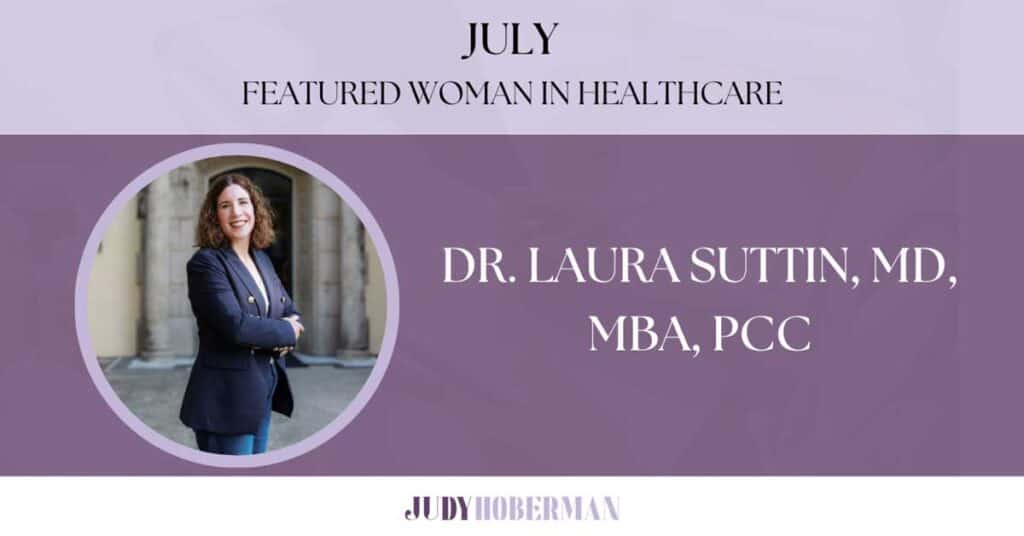
She spent more than fourteen years at WellMed Medical Group/ Optum in progressive medical director roles, where she founded the Office of Clinician Excellence, launched a peer coaching program, and co-founded the Clinical Health and Safety team. Those years in system leadership shaped how she thinks about medical practice, clinician workforce, and organizational design.
She received her MD from McGovern Medical School in Houston, completed her family medicine residency at Christus Spohn Memorial in Corpus Christi, and earned her MBA from the University of Texas at Dallas. She holds the Professional Certified Coach (PCC) credential from the International Coaching Federation.
Outside of her consulting work, Dr. Suttin serves as Chair of the South Central Texas Regional Board of Trustees for Blood Cancer United, an organization for which she has volunteered since 2020. She lives in San Antonio with her husband and their four children, and she’ll take any excuse to travel somewhere new. When she’s not on the road, she’s training for her next half marathon or camping with her husband and rescue dog in their travel trailer.

One of the most confusing things about growth is that other people often become attached to versions of us that no longer exist. Not because they are trying to hold us back, and not because they want something bad for us. But because those versions worked.
You know…the dependable one, the strong one, the achiever, the caretaker, the woman who always said yes, the woman who could handle anything…and the woman everyone counted on.

For a long time, leadership was described as a climb.
You worked your way up. You proved yourself. You took on more responsibility, more visibility, more pressure…until eventually you reached a level that reflected everything you had built.
And for many women, that climb required more than just capability. It required persistence, resilience, and finding ways forward in environments that were not always designed with them in mind.
So when women reached leadership roles, the assumption was simple…they made it.
But something has been quietly changing. Reaching the top is no longer the only measure that matters.

For decades, leadership success was framed as a straight line. It was one role, one organization and one ladder to climb.
Stability was equated with loyalty. Focus was equated with staying in your lane. Leadership identity was often tied to a single title, a single institution and a single path forward.
But that model is quietly loosening.

But as we step into a new season of work, complexity and accelerated change, a different resource is emerging as the most constrained…and the most valuable:
Energy.
Not hustle. Not hours. Not availability.
Energy.
And in 2026, the most successful women leaders will not be the busiest ones. They will be the ones who manage their energy with precision.
Time is finite and energy is selective.
You can schedule time. But you cannot fake energy.

Women lived inside that equation for decades. But something has shifted.
The shift was quiet, powerful and irreversible.
Women leaders are no longer willing to sacrifice themselves in order to succeed. And in doing so, they are setting an entirely new standard for the next generation of leadership.

There’s a quiet revolution happening inside the offices, Zoom rooms and leadership circles of women everywhere…and most organizations haven’t caught onto it yet.
Women are not quitting. They’re not burning it all down. They’re not making dramatic exits
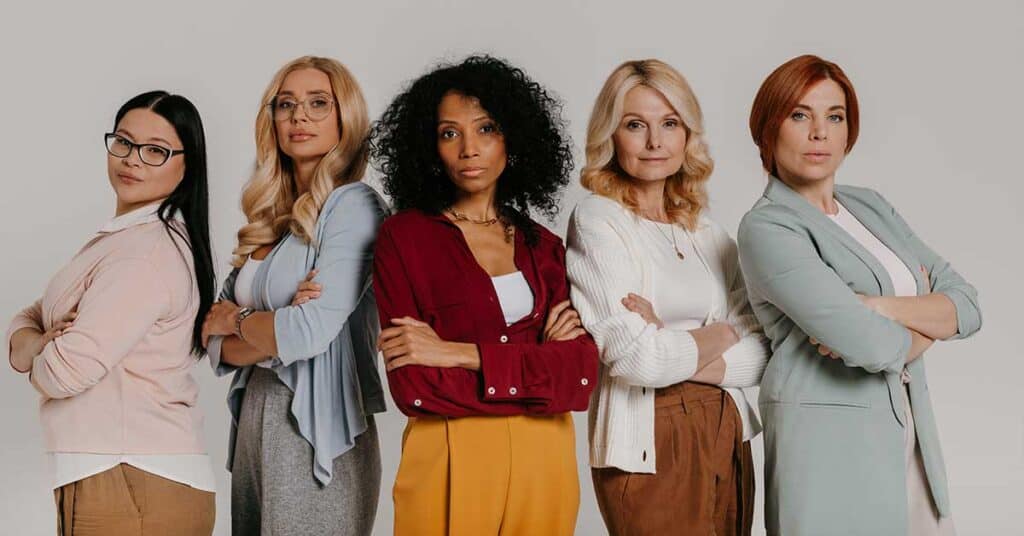
When Chanel’s CEO, Leena Nair, asked an AI took to show an image of her leadership team, the result was all men in suits.
It’s wasn’t malicious. It was mathematical.
AI pulled from a world that still equates “leadership” with “male.”
But here’s the real story: this isn’t just about who appears in a photo. It’s about what happens when women’s presence, power, and potential are misrepresented, or misunderstood, by the very systems shaping our future.
