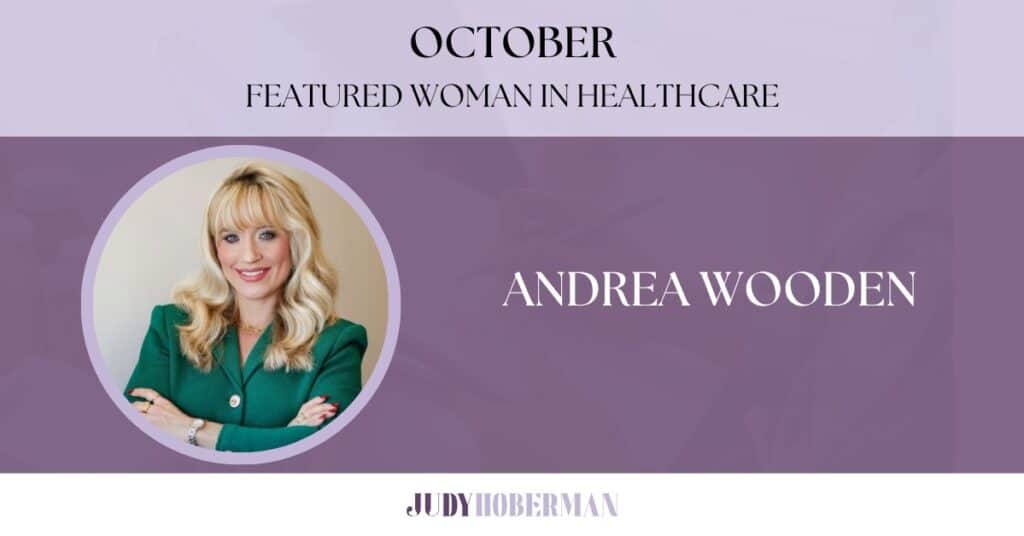
Beginning her career in hospitality, Andrea developed an early understanding of service and the importance of creating seamless experiences through the coordination of multiple departments, people and operational functions. She later entered healthcare through the ancillary business side, gaining experience across biologics, durable medical equipment, laboratory, pharmacy, reimbursement and billing, healthcare technology and other services supporting healthcare operations.

That was all.
She knew exactly where the cards were, just past the front entrance on the right, which meant there was absolutely no reason for her to be standing twenty minutes later in an aisle labeled Travel & Adventure holding a book about Italy.
She wasn’t planning a trip to Italy.
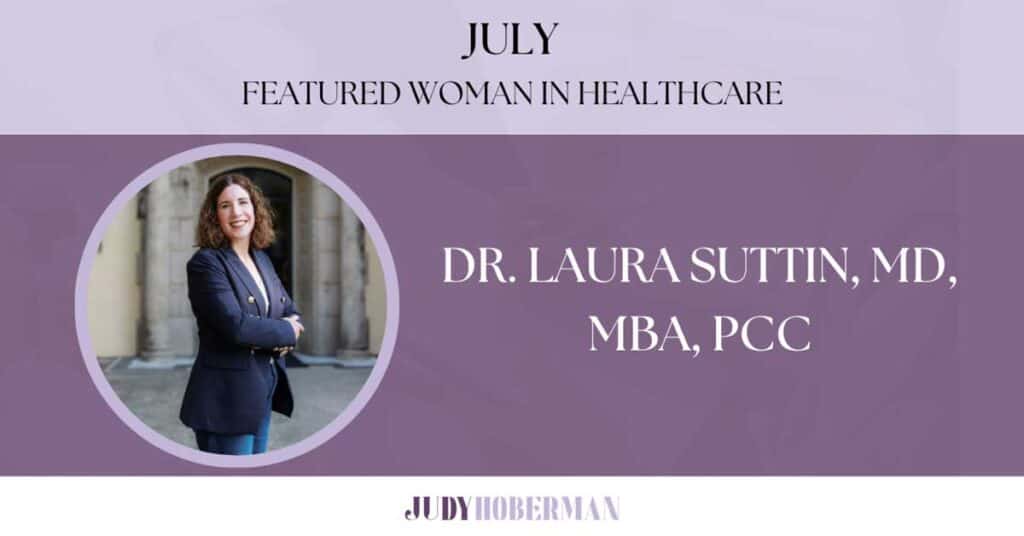
She spent more than fourteen years at WellMed Medical Group/ Optum in progressive medical director roles, where she founded the Office of Clinician Excellence, launched a peer coaching program, and co-founded the Clinical Health and Safety team. Those years in system leadership shaped how she thinks about medical practice, clinician workforce, and organizational design.
She received her MD from McGovern Medical School in Houston, completed her family medicine residency at Christus Spohn Memorial in Corpus Christi, and earned her MBA from the University of Texas at Dallas. She holds the Professional Certified Coach (PCC) credential from the International Coaching Federation.
Outside of her consulting work, Dr. Suttin serves as Chair of the South Central Texas Regional Board of Trustees for Blood Cancer United, an organization for which she has volunteered since 2020. She lives in San Antonio with her husband and their four children, and she’ll take any excuse to travel somewhere new. When she’s not on the road, she’s training for her next half marathon or camping with her husband and rescue dog in their travel trailer.

There is a particular kind of confusion that many women experience but rarely talk about.
It doesn’t happen when life falls apart. It happens when life appears to be working.
The career is successful. The family is doing well. The responsibilities are being managed. The bills are paid. The calendar is full. The life that once felt like a dream may now be the life you’re living.
From the outside, everything looks right. Which is why the feeling can be so difficult to explain. Because despite all of that, something doesn’t feel quite right. Not wrong. Not broken. Just… off.

There area few words women use more often, and reveal less through, than this one:
“Fine.”
How are you? Fine
How’s work? Fine
How are things at home? Fine
How are you holding up? Fine
It’s become such an automatic response that most of us don’t even think about it anymore. We say it in passing, with a smile, while juggling schedules, answering emails, managing responsibilities, and moving on to the next thing on the list.
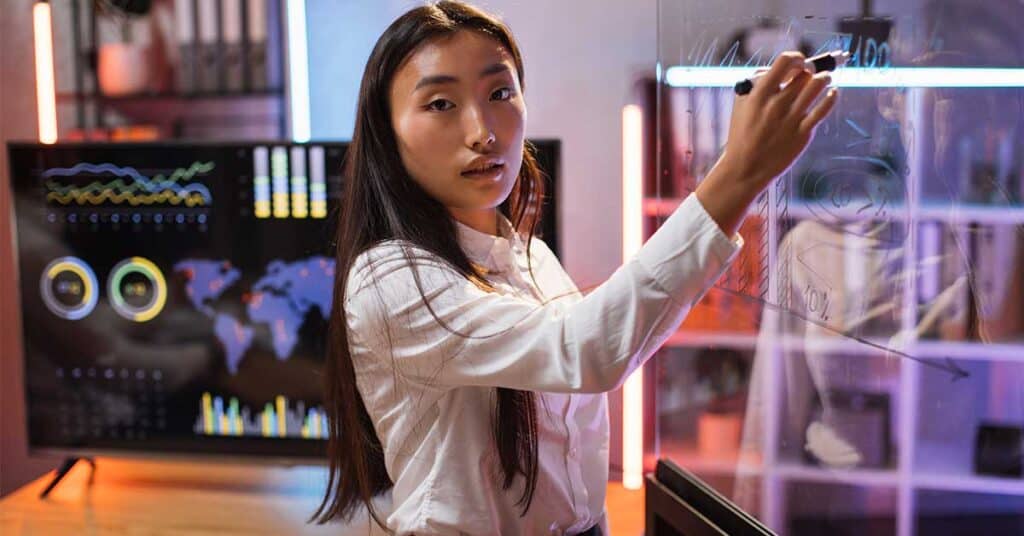
Some of it is exciting. Some of it is overwhelming. And some of it has created a familiar question for women leaders: Are we keeping up?
But that question may be too small.
Because the more interesting story is not whether women are behind in AI. It’s how many women are stepping into the part of the conversation that matters most…how AI is governed, trusted, adopted, and used responsibly.

There’s something happening in leadership right now that doesn’t quite make sense at first glance. The leaders who care the most, the ones who are deeply committed, thoughtful, and consistently present, are often the same ones who feel the most exhausted.

AI is quickly becoming a part of the leadership landscape, whether we like it or not.
Some companies are even signaling that AI usage is becoming part of how they evaluate readiness for leadership. In other words, AI fluency is turning into a credibility marker, not a side skill.
That can make leaders feel like they’re standing on a moving walkway. Even leaders who are competent and accomplished are asking, “Am I going to be expected to keep up with tools I didn’t ask for?”
Here’s the truth I want women leaders to hear clearly…AI can support leadership. It can speed things up, and it can summarize, draft, model scenarios and make patterns easier to see. But…it cannot do the most important part of leadership. And that’s not a motivational poster statement. It’s practical. Because leadership isn’t just information. Leadership is responsibility.

For a long time, leadership was measured by movement…who was visible, or decisive or seemed tireless or who could carry more.
Leadership success was often equated with momentum, speed and output. The ability to keep things moving forward no matter the cost. And for many women in leadership, that meant learning how to operate inside a system that quietly rewarded exhaustion and performance over sustainability and discernment.
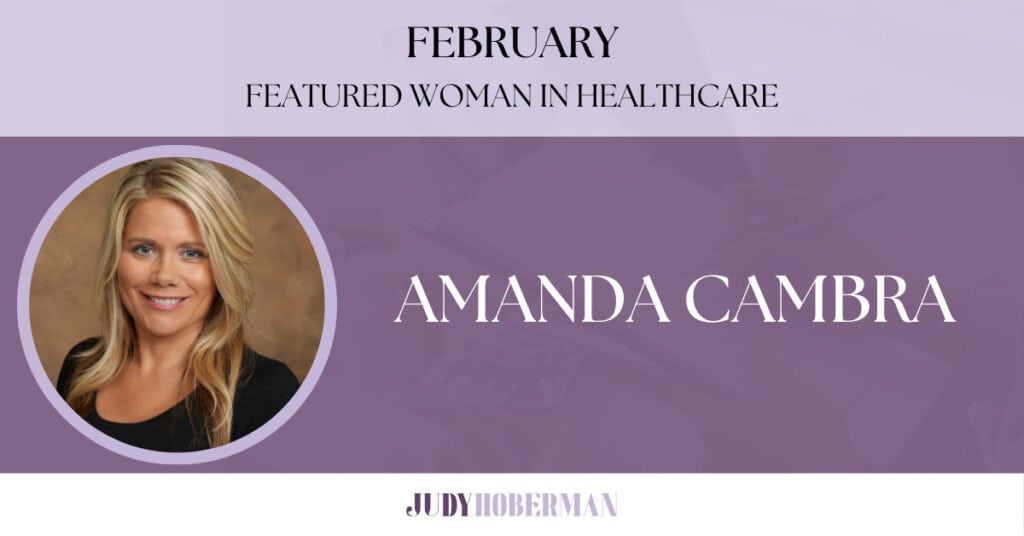
Known for her strategic approach and her ability to connect patients with the right level of care. She is recognized for her commitment to ensuring that every patient receives access to the resources they need. Her work contributes directly to the organization’s growth initiatives and its mission to deliver industry-leading neurorehabilitation services.
Beyond her professional achievements, Amanda is valued for her relationshipbuilding style, her ability to inspire teams, and her passion for advancing highquality patient outcomes across the continuum of care.

Command the room, control the outcome, dominate the conversation, drive harder, push faster and win louder.
But something profound is shifting at the highest level of leadership, especially among women.
The most effective leaders today are not the loudest in the room. They are the calmest, clearest and most trusted.
This is the rise of Soft-Power Leadership, and it is becoming one of the most strategic advantages women bring to the future of leadership.
This is not about being “soft”. This is about being anchored, relational and unshakable under pressure…and in complex, high-velocity environments, that kind of power is unstoppable.
The challenge is that hard power is losing its grip. Command-and-control leadership worked when organizations were stable, decisions moved slowly, information was scarce and authority went unquestioned…. That world is gone.

But as we step into a new season of work, complexity and accelerated change, a different resource is emerging as the most constrained…and the most valuable:
Energy.
Not hustle. Not hours. Not availability.
Energy.
And in 2026, the most successful women leaders will not be the busiest ones. They will be the ones who manage their energy with precision.
Time is finite and energy is selective.
You can schedule time. But you cannot fake energy.
