
She was looking for permission to trust her own.
Most women don’t arrive at life’s crossroads because they lack information. By the time they reach a significant decision, they’ve usually done the research. They’ve weighed the options. They’ve considered the impact on the people they love. They’ve imagined every possible outcome and replayed the decision from more angles than anyone else ever will.
The issue is rarely preparation. It’s trust.
I’ve lost count of how many times I’ve heard a woman say, “I just want to get back to myself.”
Sometimes she says it quietly, almost as if she’s admitting something she hasn’t even allowed herself to think before. Other times she laughs when she says it, trying to soften the weight of the words. But no matter how it’s expressed, the feeling underneath is remarkably similar.
Somewhere along the way, she believes she lost herself.

There is a particular kind of confusion that many women experience but rarely talk about.
It doesn’t happen when life falls apart. It happens when life appears to be working.
The career is successful. The family is doing well. The responsibilities are being managed. The bills are paid. The calendar is full. The life that once felt like a dream may now be the life you’re living.
From the outside, everything looks right. Which is why the feeling can be so difficult to explain. Because despite all of that, something doesn’t feel quite right. Not wrong. Not broken. Just… off.
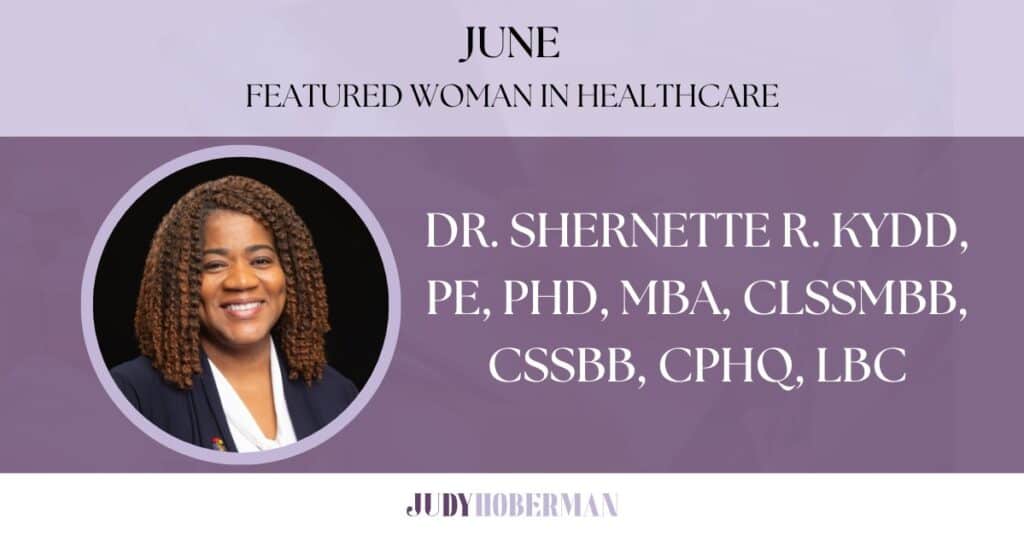
She currently serves as the Assistant Vice President of System Effectiveness at Cook Children’s Healthcare System (CCHCS) in Fort Worth, TX and is tasked with establishing operational excellence and process improvement strategies for the system and also charged with providing operational leadership for the Innovation program. She enjoys mentoring employees and coaching leaders on their journey to excellence.
Since 2013, she has served as an Adjunct Professor in the Industrial, Manufacturing & Systems Engineering Department at the University of Texas at Arlington (UTA), in Arlington, TX.
She is from the beautiful island of St. Thomas, U.S. Virgin Islands and enjoys spending time with her family and supporting her church community.

For a long time, the conversation about women in leadership centered on presence…how many women are in the room, how many at the table and/or how many are in senior roles.
Progress was measured by visibility. By representation. By whether women were included in spaces where decisions were being made. And that work mattered…and it still does.

There’s another shift happening for women in leadership…and it’s showing up in a very different way.
More women are beginning to take their physical strength seriously…and it’s not a side goal or something separate from their work….but it’s part of how they lead.
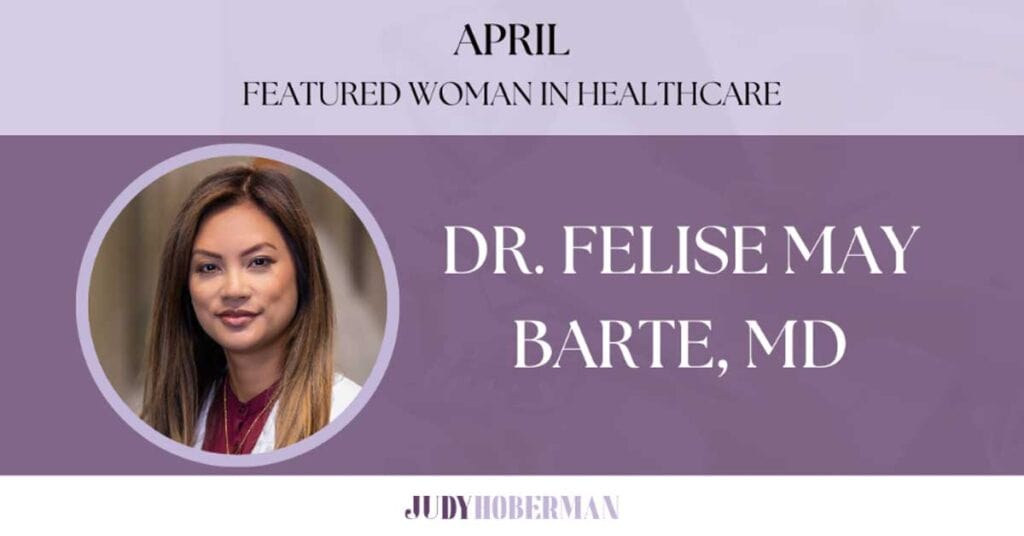
Her 10+ years clinical experience spans building a solo private practice de novo, working in private practice, for private equity and for a large managed care organization. She earned her medical degree from the Loyola University Stritch School of Medicine and completed her ophthalmology residency at the Kresge Eye Institute. She finished a glaucoma fellowship at the University of Texas Southwestern Medical Center. Dr. Barte is a published author, national speaker and former key opinion leader. Outside of medicine, she enjoys Pilates, travel, delicious food (especially when paired with wine), karaoke, and weekly dance parties to the K pop demon hunters soundtrack with her daughter.

For a long time, leadership advice for women sounded like this:
Move faster. Speak up sooner. Lean in harder. Claim your seat at the table.
The underlying message was always about acceleration. If women could just move quickly enough, confidently enough, decisively enough, the path upward would open.

For a long time, women in leadership were positioned as the stewards of culture. They were the ones expected to hold the emotional center of teams. They had to smooth the edges, manage the people dynamics and bring empathy into rooms here it often felt in short supply.
That work matters. It always has…culture shapes everything. But something is changing.
More women are stepping into leadership not just as culture carriers, but as decision architects. They are shaping how decisions get made, who is in the room when they are made, what information is considered legitimate and how authority actually flows through an organization. This is a quieter form of power but it is far more consequential.

For a long time, visibility was treated as the currency of leadership. If you wanted to advance, you needed to be seen. If you wanted influence, you needed to speak more, post more, show up everywhere. Visibility became synonymous with impact.
And for a while, that made sense.
Women worked hard to be noticed in systems that often overlooked them. They learned how to raise their hands, step into the spotlight, and make their presence undeniable. Visibility opened doors that had long been closed.

If there’s one topic creating unnecessary anxiety among women leaders right now, it’s AI.
Not because women don’t understand technology. Not because they aren’t capable of learning it. But because so much of the conversation has been framed around fear:
Will AI replace me?
Will my role disappear?
Will I be left behind if I don’t move fast enough?
That framing is outdated and frankly… unhelpful.

This is the week when the world traditionally rushes toward “New Year energy.” That means fresh goals, big declarations, more commitments and new expectations layered on top of an already full life.
But this year…something different is happening among women in leadership.
Instead of pushing forward faster, they’re choosing to pause…not out of exhaustion, but out of wisdom. They’re doing something powerful, intentional and deeply strategic
