
What drew you to healthcare originally?
For as long as I can remember I’ve been interested in teeth. I didn’t play house as a child, I played dentist. Growing up I knew a woman who was a Dental Hygienist and she worked 3 days a week and had a family. I liked that flexibility as I also wanted to eventually have a family.

She almost said no. Actually, she had already started to. “I don’t really…” Then she stopped. Her friend was looking at her across the table, waiting.
It wasn’t an outrageous suggestion. No one was asking her to jump out of an airplane, move to another country, or do anything remotely worthy of the expression on her face.
Her friend had simply asked if she wanted to take a beginner pottery class with her.
Pottery.
She knew absolutely nothing about pottery. She wasn’t artistic. At least she didn’t think she was. She had never been particularly good at making things with her hands, and she could already picture herself sitting at a wheel while everyone else created beautiful bowls and she produced something resembling a lopsided ashtray.

A few days ago, someone shared a video with me of a young valedictorian named Kyle Martin standing at a graduation podium.
He had accomplished exactly what he set out to accomplish. He had worked relentlessly, earned extraordinary grades, and reached the top of his class. When he learned that he had been named valedictorian, the feeling was everything he imagined it would be.
For about fifteen seconds.
Then came the sixteenth second.
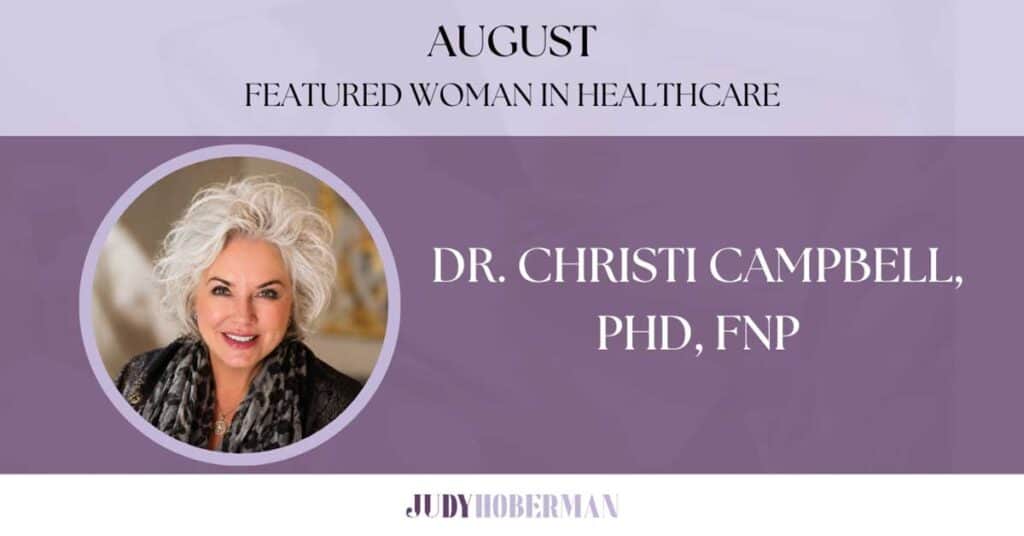
Known for bridging evidence-based healthcare with a deeply human approach to healing and well-being, Dr. Campbell has become a respected voice in leadership, authenticity, and transformational growth. Throughout her career, she has been guided by a belief that healing extends beyond the treatment of symptoms and includes honoring the physical, emotional, mental, and spiritual dimensions of the human experience.

She smiled politely when someone said, “I miss the old you.”
For just a moment, she almost answered, “I don’t.” Not because she was angry. Not because she regretted the woman she used to be. But because she had finally realized something that had taken years to understand.
The woman they missed had spent much of her life making sure everyone else was comfortable. The woman standing here now was finally learning to make room for herself.

One of the things I’ve noticed about women is how often we explain ourselves. We explain why we can’t make it to dinner. We explain why we said no to another commitment. We explain why we’re changing careers, slowing down, starting over, setting a boundary, leaving a role, or choosing something different.
Sometimes we explain before anyone has even asked.
It’s almost as though we’ve been conditioned to believe that every meaningful change requires a well-prepared defense. We gather evidence. We build our case. We make sure everyone understands that our decision is reasonable, responsible, and justified. Only then do we allow ourselves to move forward.
She was looking for permission to trust her own.
Most women don’t arrive at life’s crossroads because they lack information. By the time they reach a significant decision, they’ve usually done the research. They’ve weighed the options. They’ve considered the impact on the people they love. They’ve imagined every possible outcome and replayed the decision from more angles than anyone else ever will.
The issue is rarely preparation. It’s trust.
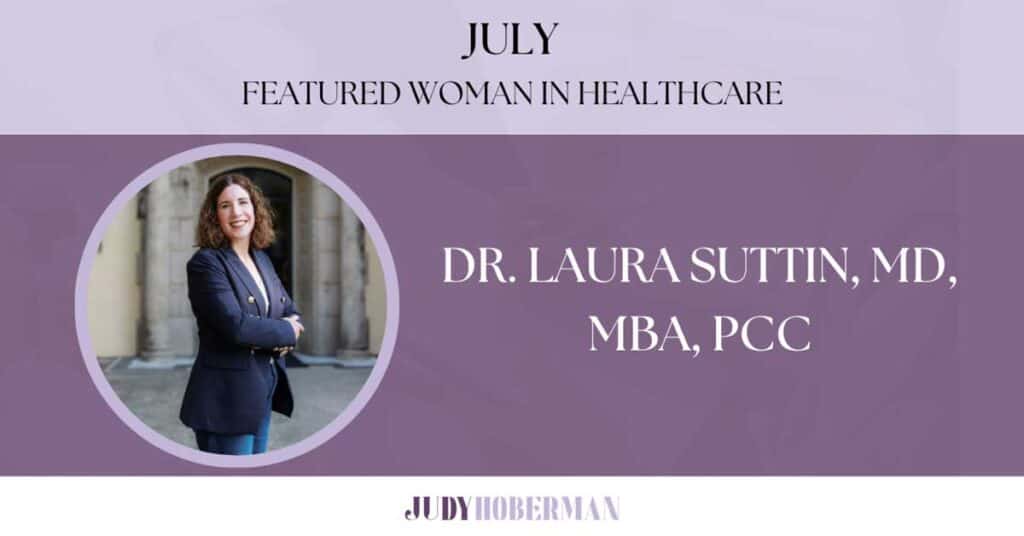
She spent more than fourteen years at WellMed Medical Group/ Optum in progressive medical director roles, where she founded the Office of Clinician Excellence, launched a peer coaching program, and co-founded the Clinical Health and Safety team. Those years in system leadership shaped how she thinks about medical practice, clinician workforce, and organizational design.
She received her MD from McGovern Medical School in Houston, completed her family medicine residency at Christus Spohn Memorial in Corpus Christi, and earned her MBA from the University of Texas at Dallas. She holds the Professional Certified Coach (PCC) credential from the International Coaching Federation.
Outside of her consulting work, Dr. Suttin serves as Chair of the South Central Texas Regional Board of Trustees for Blood Cancer United, an organization for which she has volunteered since 2020. She lives in San Antonio with her husband and their four children, and she’ll take any excuse to travel somewhere new. When she’s not on the road, she’s training for her next half marathon or camping with her husband and rescue dog in their travel trailer.

There comes a point in many women’s lives when they realize they have spent decades earning.
Earning opportunities. Earning promotions. Earning trust. Earning respect. Earning financial security. Earning the right to take up space. Earning the confidence of others. Earning the title, the role, the seat at the table.
For many women, achievement begins early. Work hard. Be responsible. Be prepared. Be dependable. Prove yourself. Add value. Contribute. Carry your share.
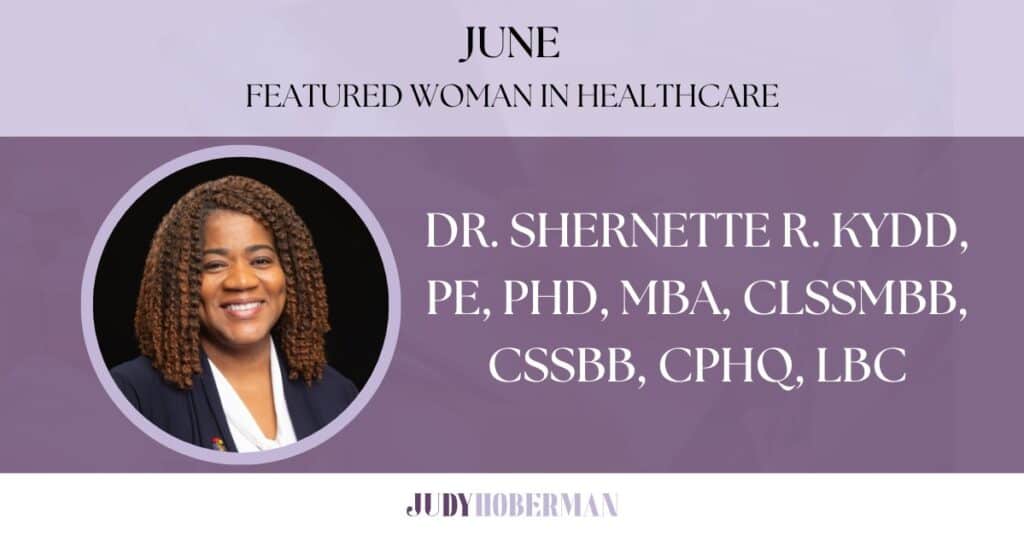
She currently serves as the Assistant Vice President of System Effectiveness at Cook Children’s Healthcare System (CCHCS) in Fort Worth, TX and is tasked with establishing operational excellence and process improvement strategies for the system and also charged with providing operational leadership for the Innovation program. She enjoys mentoring employees and coaching leaders on their journey to excellence.
Since 2013, she has served as an Adjunct Professor in the Industrial, Manufacturing & Systems Engineering Department at the University of Texas at Arlington (UTA), in Arlington, TX.
She is from the beautiful island of St. Thomas, U.S. Virgin Islands and enjoys spending time with her family and supporting her church community.

There is a particular kind of loneliness that doesn’t look like loneliness from the outside.
It looks like competence.
It looks like being prepared, responsive, calm, and available. It looks like being the person others trust when the room gets tense or the plan starts to wobble. It looks like knowing how to keep things moving, how to steady the conversation, and how to listen without making the moment about yourself.
From the outside, it can look like success. But inside, many women who lead know there is something else happening too.

She was the flexible one, the reliable one, the one who could step into difficult situations without creating more tension around them.
If something needed to get done, she figured it out. If personalities became difficult, she adjusted. If deadlines tightened, she absorbed the pressure quietly and kept moving.
People appreciate her for it.
They trusted her. They depended on her. They described her as collaborative, supportive, professional, and calm. And for a long time, those qualities felt like strengths…because they were.
But over time, something else started happening too.
