
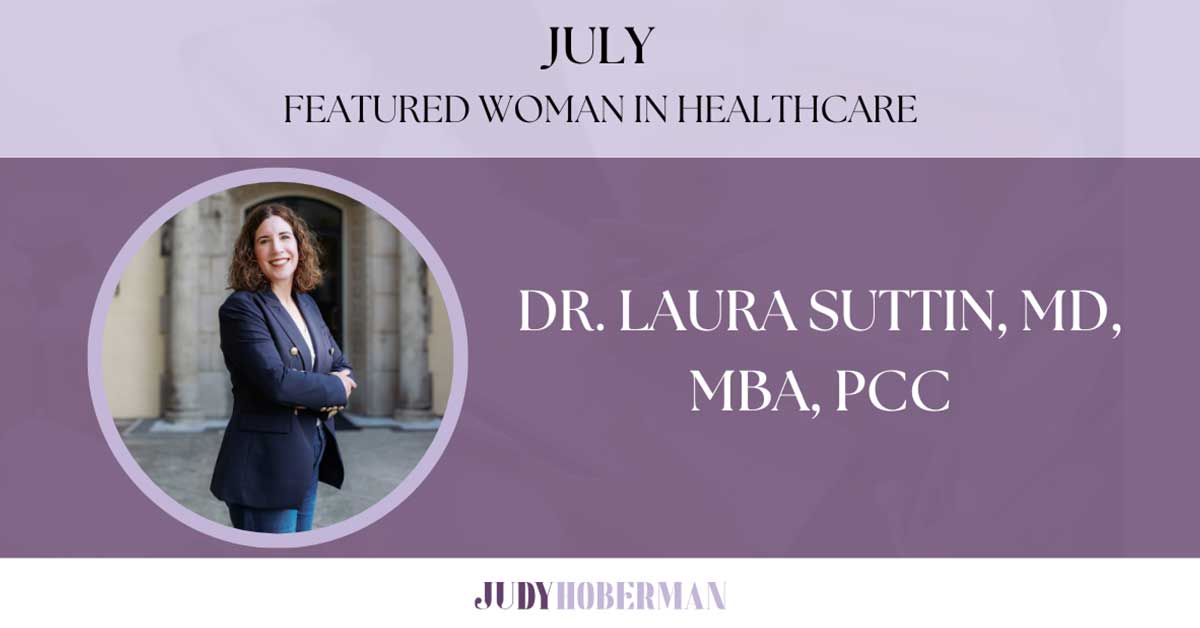
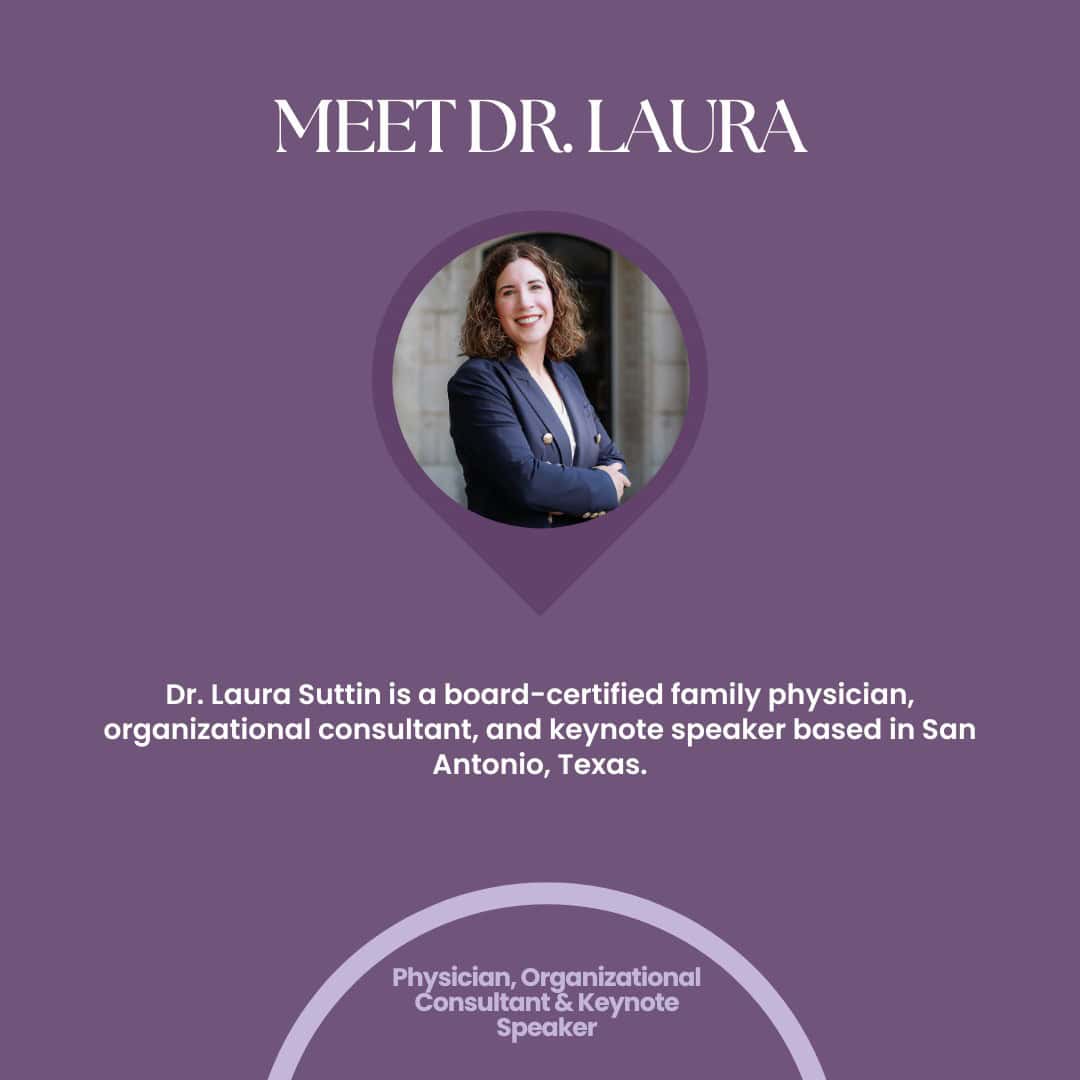
She spent more than fourteen years at WellMed Medical Group/ Optum in progressive medical director roles, where she founded the Office of Clinician Excellence, launched a peer coaching program, and co-founded the Clinical Health and Safety team. Those years in system leadership shaped how she thinks about medical practice, clinician workforce, and organizational design.
She received her MD from McGovern Medical School in Houston, completed her family medicine residency at Christus Spohn Memorial in Corpus Christi, and earned her MBA from the University of Texas at Dallas. She holds the Professional Certified Coach (PCC) credential from the International Coaching Federation.
Outside of her consulting work, Dr. Suttin serves as Chair of the South Central Texas Regional Board of Trustees for Blood Cancer United, an organization for which she has volunteered since 2020. She lives in San Antonio with her husband and their four children, and she’ll take any excuse to travel somewhere new. When she’s not on the road, she’s training for her next half marathon or camping with her husband and rescue dog in their travel trailer.
Medicine felt like the natural intersection of two things I loved: people and science. I always loved reading and learning about human anatomy and physiology even as a young child.
My grandmother was a nurse, and though she was long retired by the time I remembered spending time with her, I noticed how she oriented her life around caring for others. It left a mark on me and drew me to healthcare early.
I was also compelled by the amount of trust that society places in physicians, even still today. It’s a huge responsibility, and one that I don’t take for granted.
The volume of information required to get through training surprised me. And how little of it, at least early on, felt connected to actual patient care.
Biochemistry felt abstract when all I wanted was to be at the bedside. There’s a long runway in medicine before the learning translates into something meaningful, and I hadn’t fully anticipated that gap.
Since I trained, clinical training has shifted; medical education now brings students into clinical environments much earlier. That’s important because the relationship with the patient is what sustains people in this field. The sooner learners experience it, the better.
Family time. My husband and I have four grown children between us, and time with them, and with extended family, is something I plan around deliberately. I protect that time as much as I can.
Physical health. Exercise and rest are non-negotiable. Showing up fully in my work requires showing up fully in my body, and I take that seriously, especially now as I’ve gotten older.
Service. For nearly six years, I’ve been involved with Blood Cancer United, serving the South Central Texas region. The impact this organization has on patients and on research is significant. It’s one of the most meaningful things I do outside of my professional work.
Travel. Getting out of my comfort zone matters to me. A new city, time in nature, somewhere where a different language is spoken. New sights, new foods, new languages; it’s a sensory reset that keeps me curious in ways nothing else quite replicates.
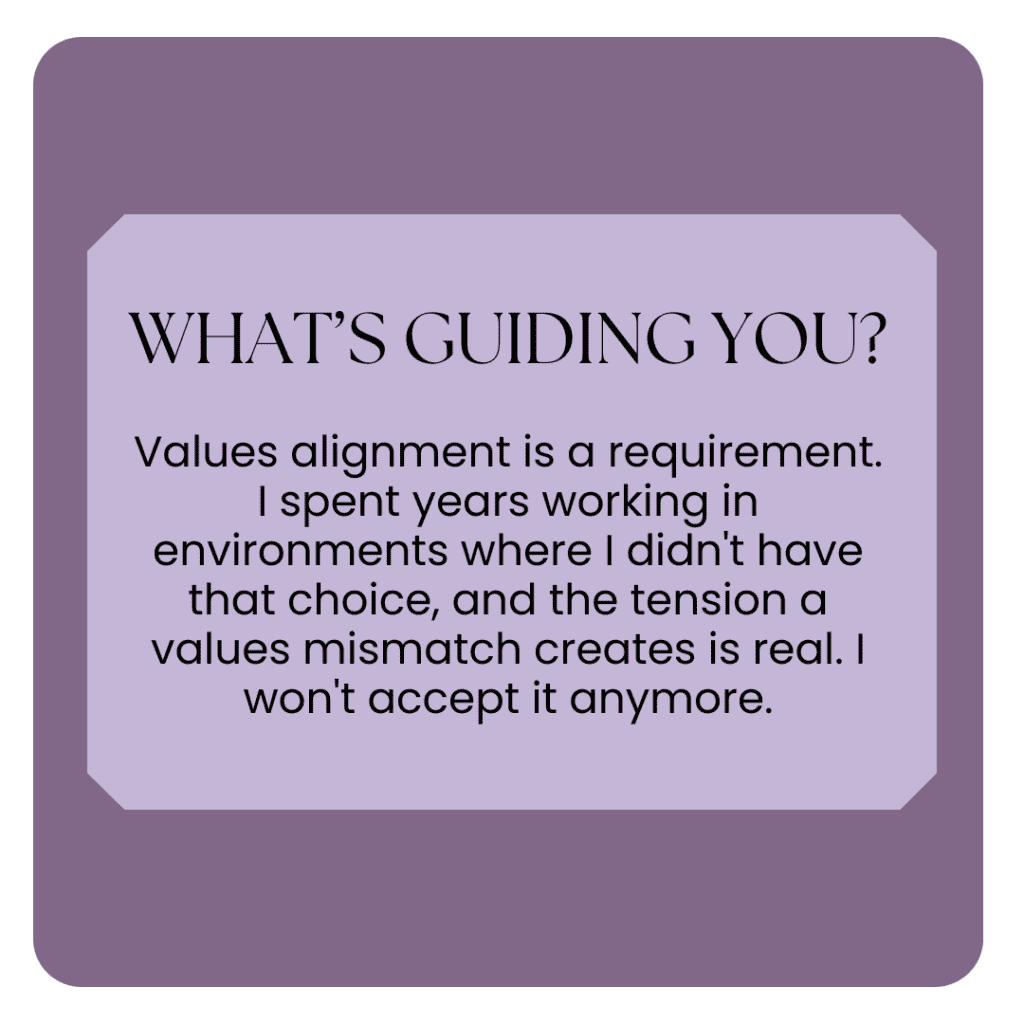
Intentional relationships. As a business owner, I’ve become very deliberate about who I work with. Values alignment is a requirement. I spent years working in environments where I didn’t have that choice, and the tension a values mismatch creates is real. I won’t accept it anymore.
Healthcare can still be a patriarchal field, even in specialties where women make up the majority of practitioners. The expectations placed on women, professionally and personally, haven’t kept pace with how much we’ve taken on. That gap is exhausting, and it’s a significant driver of burnout.
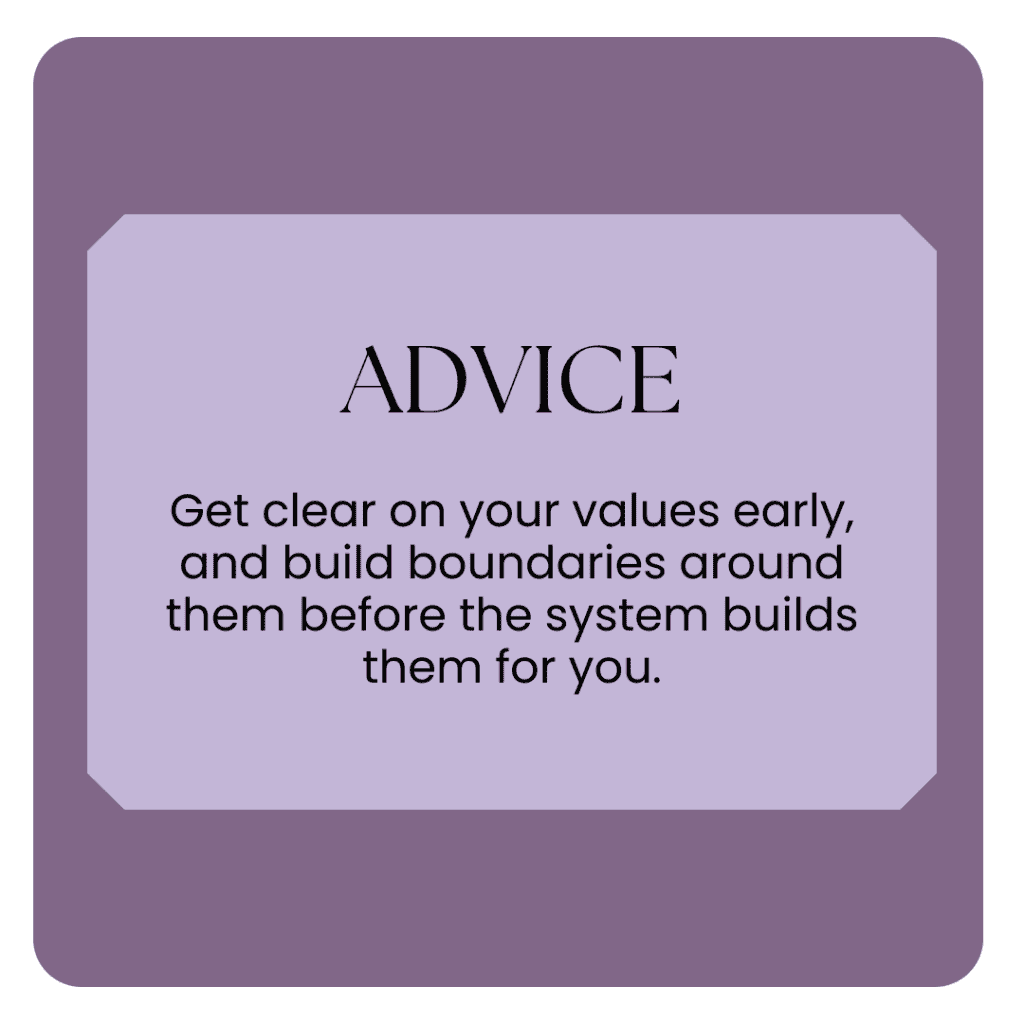
My advice is this: get clear on your values early, and build boundaries around them before the system builds them for you.
Knowing what you stand for is the foundation. Protecting it is the practice. Women who do that work early are far better positioned to sustain a long, meaningful career without losing themselves in the process.
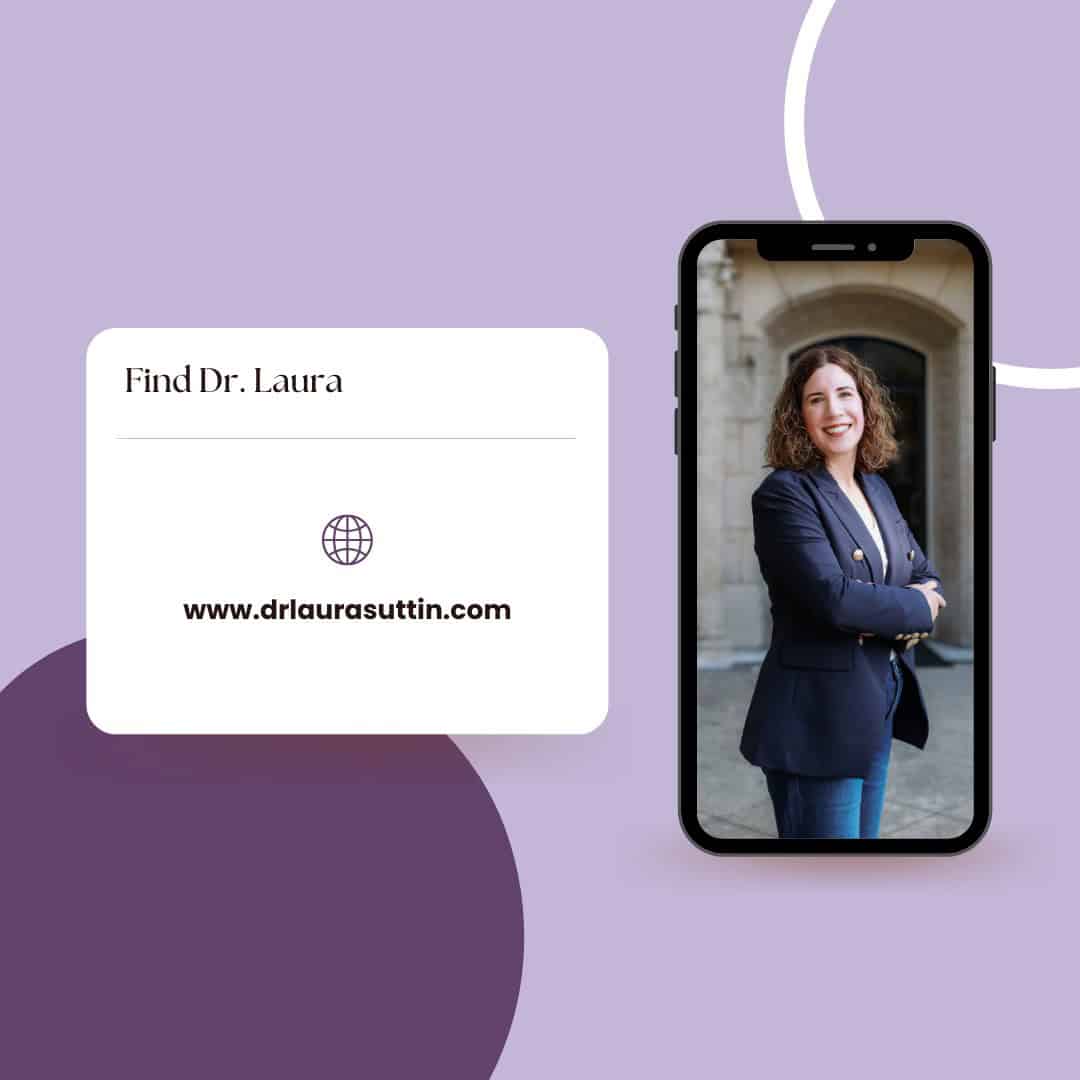
You can reach me by email at la***@***********in.com or through my website at www.drlaurasuttin.com.
I’m also on LinkedIn. If you reach out there, mention that you read this article. I’d love to know it found you.