
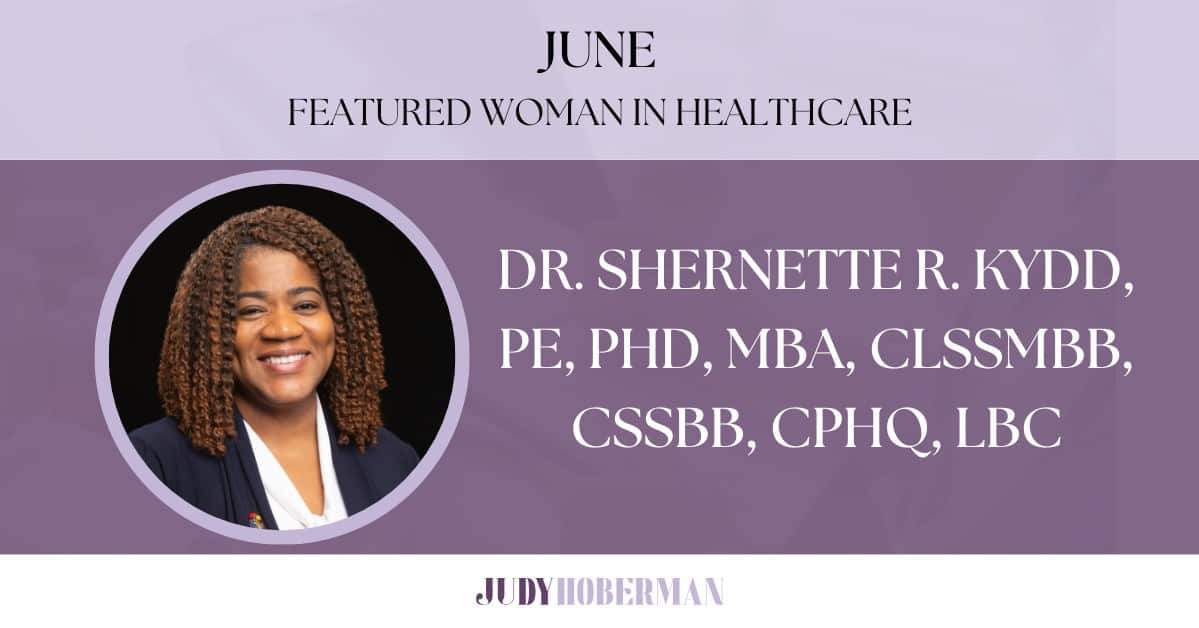
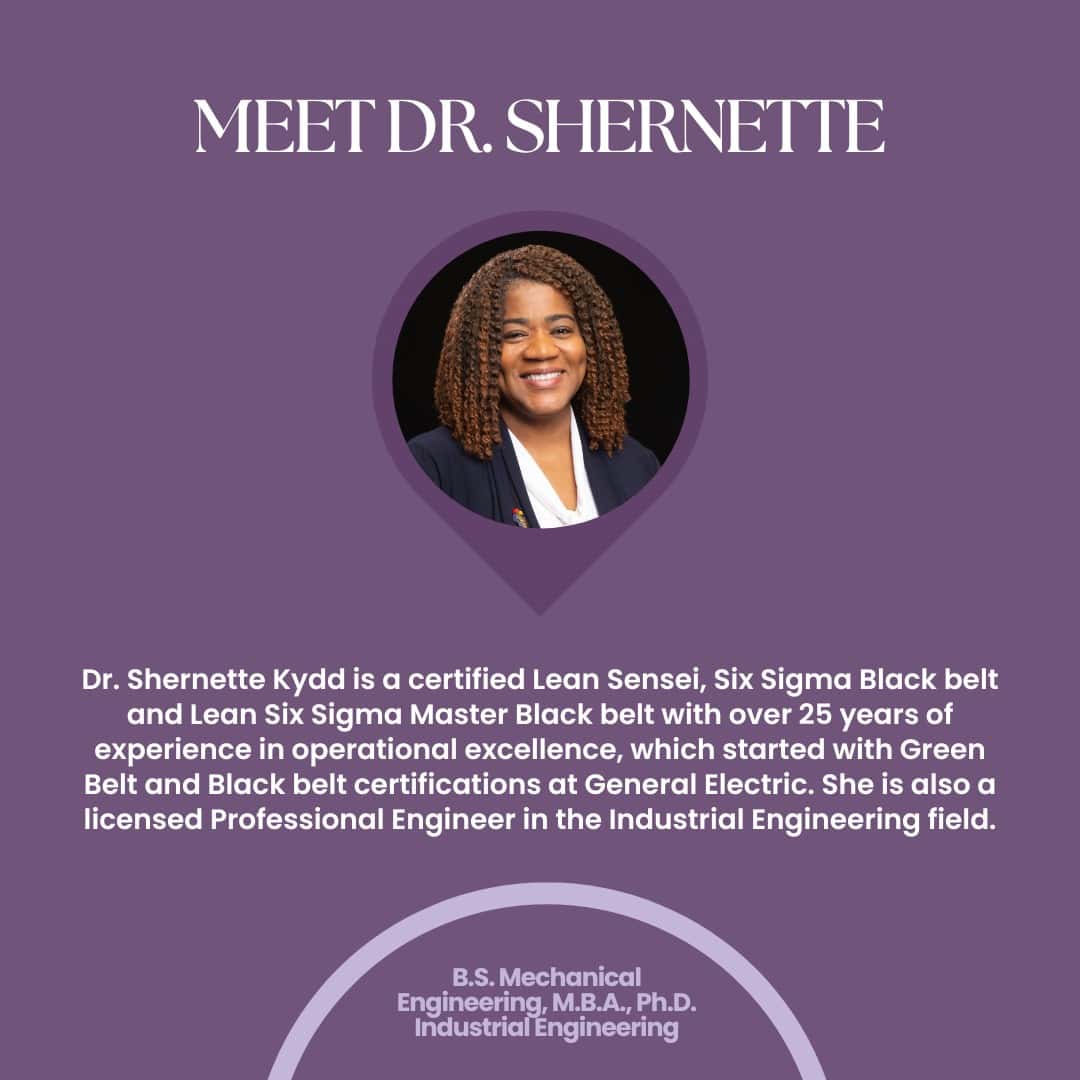
She currently serves as the Assistant Vice President of System Effectiveness at Cook Children’s Healthcare System (CCHCS) in Fort Worth, TX and is tasked with establishing operational excellence and process improvement strategies for the system and also charged with providing operational leadership for the Innovation program. She enjoys mentoring employees and coaching leaders on their journey to excellence.
Since 2013, she has served as an Adjunct Professor in the Industrial, Manufacturing & Systems Engineering Department at the University of Texas at Arlington (UTA), in Arlington, TX.
She is from the beautiful island of St. Thomas, U.S. Virgin Islands and enjoys spending time with her family and supporting her church community.
Healthcare found me in the most unexpected way. While completing my dissertation for a doctorate in industrial engineering, I challenged myself to look beyond traditional engineering and manufacturing. A simple Google search for America’s most pressing problems kept returning one answer: healthcare. That curiosity became a calling. I discovered that the very principles and tools of industrial engineering could address the systemic inefficiencies plaguing the industry. With a passion for solving hard problems and an appetite for challenge, I leaned in. Twelve years later, I have never looked back.
What struck me most was the paradox hiding in plain sight across healthcare in America and globally. Coming into the industry as a sponge, eager to learn, absorb, and understand, I immersed myself in the work and began connecting with peers at conferences. What was immediately striking was how consistently the same challenges surfaced in those conversations, regardless of geography or setting. Healthcare professionals from different organizations, different regions, and different systems were expressing the very same pain points. That was a telling sign. Every hospital, whether a community clinic or a large health system, shares core processes and workflows that are remarkably similar. Across primary care, specialty practices, emergency departments, and inpatient settings, the same challenges appear over and over again. While there is no cookie-cutter solution, foundational approaches absolutely exist that can be applied broadly to address these repeatable problems. I call them “candies” and the industry is full of them, problems at every level, with a significant amount of low-hanging fruit that is well within reach and ready to be solved. What surprised me most was not the complexity of the challenges, but how much remains unresolved when great benchmarks, proven improvement tools, and tested frameworks are already available and accessible. What it really highlights is the busyness of the people inside these hospitals. The day to day demands are relentless, and carving out protected time to step back, assess, and address issues is genuinely difficult. That balance between keeping operations running and creating space to improve them is one of the most real challenges in healthcare today.

1: Efficiency through AI. Time is the new currency, and no one has an unlimited supply. The technology is available and ready to be used, and being in a functional role that preaches efficiency makes it not just relevant but important to explore how it can be leveraged to make work more efficient. When we streamline how we create, communicate, and engage our work, the natural outcome is increased productivity. Practicing what we preach starts with us.
2: Bringing education to the people. People learn in different ways, and meeting them where they are matters. I know that staff cannot always step away for long training sessions, so I am exploring creative approaches to make education more accessible. One of those approaches is testing the effectiveness of AI assisted music generation to teach operational excellence concepts. Everyone loves a good song, and when a concept is wrapped in music, people engage with it differently. When people sing something, they internalize it. That is powerful.
3: Using data to drive decisions. Healthcare is data rich but analysis poor. The guiding principle is simple: what gets measured gets done. I am committed to helping move the industry from simply collecting data to actually mining it for the relationships, patterns, and insights that drive real strategy.
4: Mentorship and developing the next generation. At this stage in my career, I feel a deep responsibility to invest in junior engineers and individuals new to the world of operational excellence and process improvement, giving them experiential opportunities to engage the work so they can go and do great things with what they know.
5: Getting change management right. A brilliant process improvement project means nothing if people do not understand why the change is happening or feel left out of the journey. Bringing people along, respecting their insights, honoring their experience, and making the journey worthwhile, is what turns good work into lasting results.
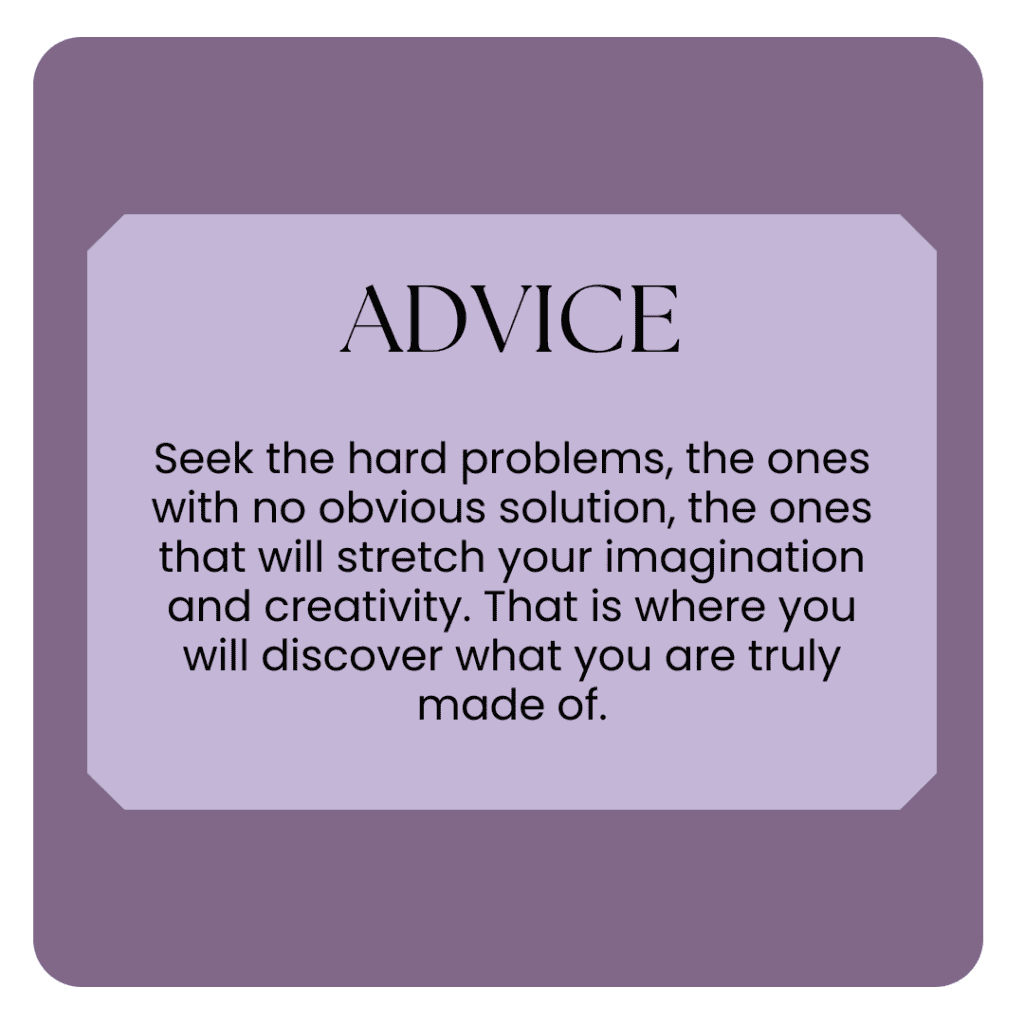
Do not run from challenges. Seek the hard problems, the ones with no obvious solution, the ones that will stretch your imagination and creativity. That is where you will discover what you are truly made of. Stay respectful, stay bold, and do not settle for the easy path. Some may call me a unicorn based on my experience, credentials, and education, but I see it simply as the result of a great passion for what I do and a commitment to lifelong learning. The knowledge acquisition process does not stop, and that mindset is what keeps the work fresh, meaningful, and full of possibility.
Reach me directly on LinkedIn at www.linkedin.com/in/drskydd. I welcome cold conversations, mentorship inquiries, and meaningful connections. Many of those conversations have turned into lasting friendships.