
I was drawn to healthcare because of a very personal experience growing up. I suffered from chronic sinusitis, and by high school it was significantly affecting my daily life. I remember feeling constantly unwell and frustrated. I couldn’t sleep because my nose was blocked most of the time, and I often had difficulty breathing. It may sound like a small thing, but when you live with it every day, it affects your concentration, your energy, and your overall sense of well-being.
When I was finally referred to an ENT specialist, the treatment he prescribed brought remarkable relief. For the first time in a long while, I could breathe comfortably and sleep through the night. That experience stayed with me. It made me realize how transformative healthcare can be — not just in treating disease, but in restoring quality of life.
I had always been drawn to science, but that moment made medicine deeply personal. It showed me that behind every condition is a person trying to live, learn, and function at their best. The idea that I could one day be in a position to offer that kind of relief and reassurance to others felt profoundly meaningful. Looking back, that experience didn’t just inspire me to pursue medicine — it shaped how I think about patient-centered care even today.
When I first entered healthcare, I was surprised by how differently, patients experience the same condition. I initially thought that once you understood a diagnosis — like heart disease — you could anticipate how a patient would present. But I quickly learned that no two patients are the same, and even “classic” symptoms can vary widely.
That was humbling. It taught me to truly listen and trust what patients are telling me, rather than relying solely on textbook patterns. It pushed me to individualize treatment plans instead of applying a one-size-fits-all approach.
I was also struck by how much social and economic factors affect outcomes. What we sometimes label as “noncompliance” is often about barriers — cost of medications, transportation, or home support. Recognizing that changed how I practice medicine and how I think about delivering care more holistically.
At this stage of my career, I’m much more intentional about what I protect so I can continue doing meaningful work.
First is my energy. Earlier in my career, I focused mostly on time management. Now I understand that how I show up — mentally and emotionally — matters just as much. If I’m depleted, I can’t lead or serve effectively.
Second are my values. As leadership responsibilities grow, there are more pressures and competing priorities. Staying grounded in integrity, fairness, and patient-centered care helps me navigate complexity without losing my compass.
Third are relationships. Some of the most meaningful moments in my career have come from collaboration and shared purpose. I make a conscious effort to nurture trust and connection, because healthcare is never a solo effort.
Fourth is well-being. I’ve come to appreciate that caring for myself isn’t separate from caring for others. Modeling balance and resilience is part of responsible leadership.
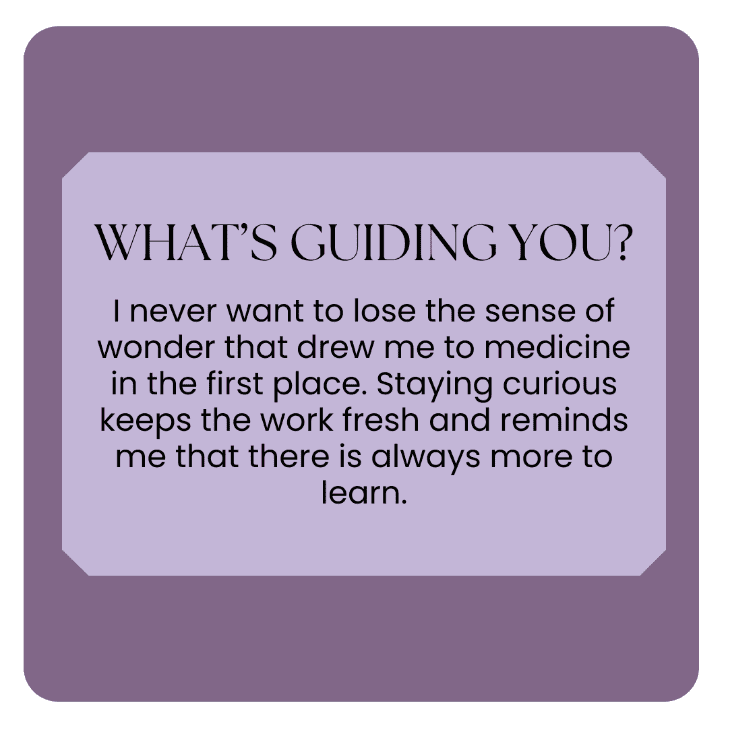
And finally, curiosity. I never want to lose the sense of wonder that drew me to medicine in the first place. Staying curious keeps the work fresh and reminds me that there is always more to learn — from science, from colleagues, and from patients.
Protecting these five areas allows me to continue leading with purpose and authenticity.
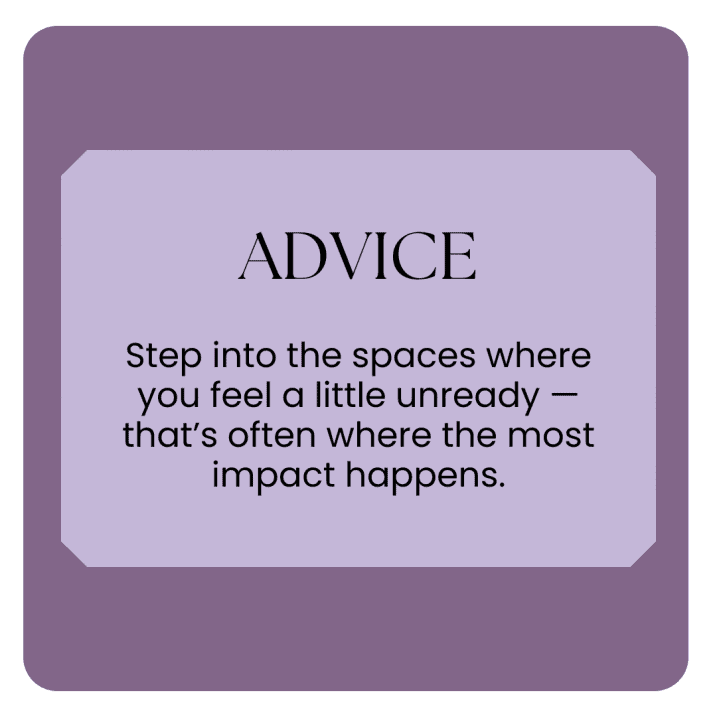
If I could give one piece of advice to women in healthcare, it would be this: step into the spaces where you feel a little unready — that’s often where the most impact happens.
Too often, we wait until we feel perfectly prepared, perfectly confident, perfectly “enough” to raise our hand or take the next step. But in healthcare, the moments that define your growth — and your ability to make a difference — often come when you stretch beyond what feels comfortable.
Trust that your perspective, your empathy, and your voice are exactly what the field needs. Seek mentors, yes — but also be willing to mentor others sooner than you think. Supporting one another doesn’t just build careers; it shapes the culture of healthcare itself.
The truth is, the work is challenging, but stepping forward anyway is how meaningful change — for patients, teams, and the system — happens.
The best way to reach me is by email at pr*******@***il.com. I’m always happy to connect with anyone curious about healthcare, leadership, or patient-centered innovation. I enjoy exchanging ideas and learning from others, so don’t hesitate to reach out.