
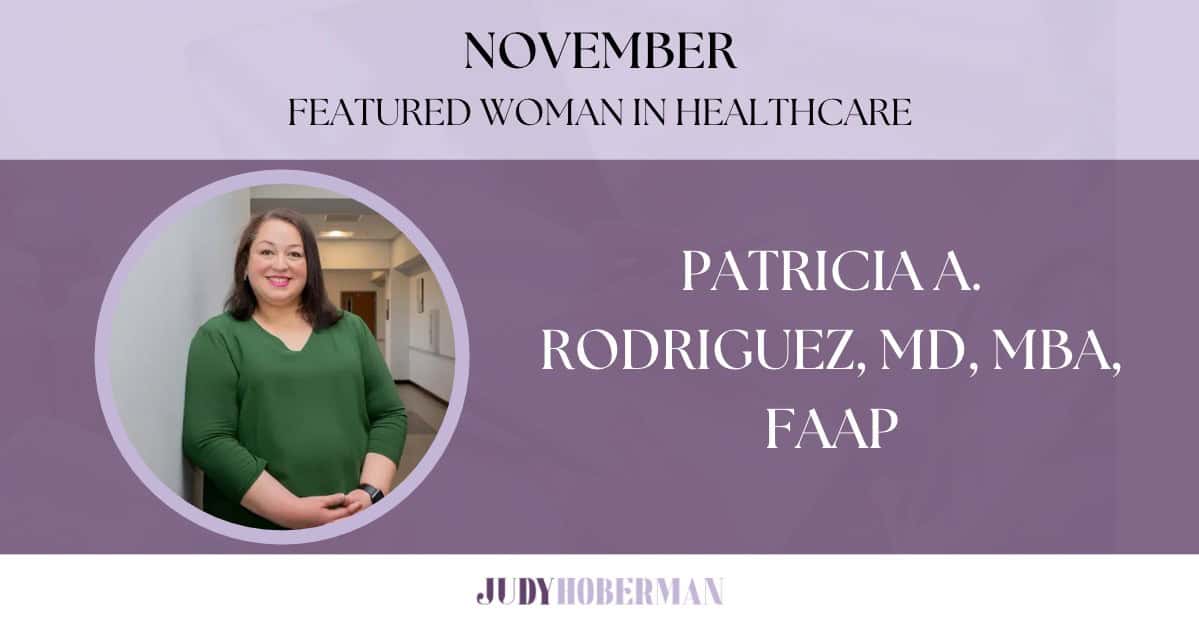
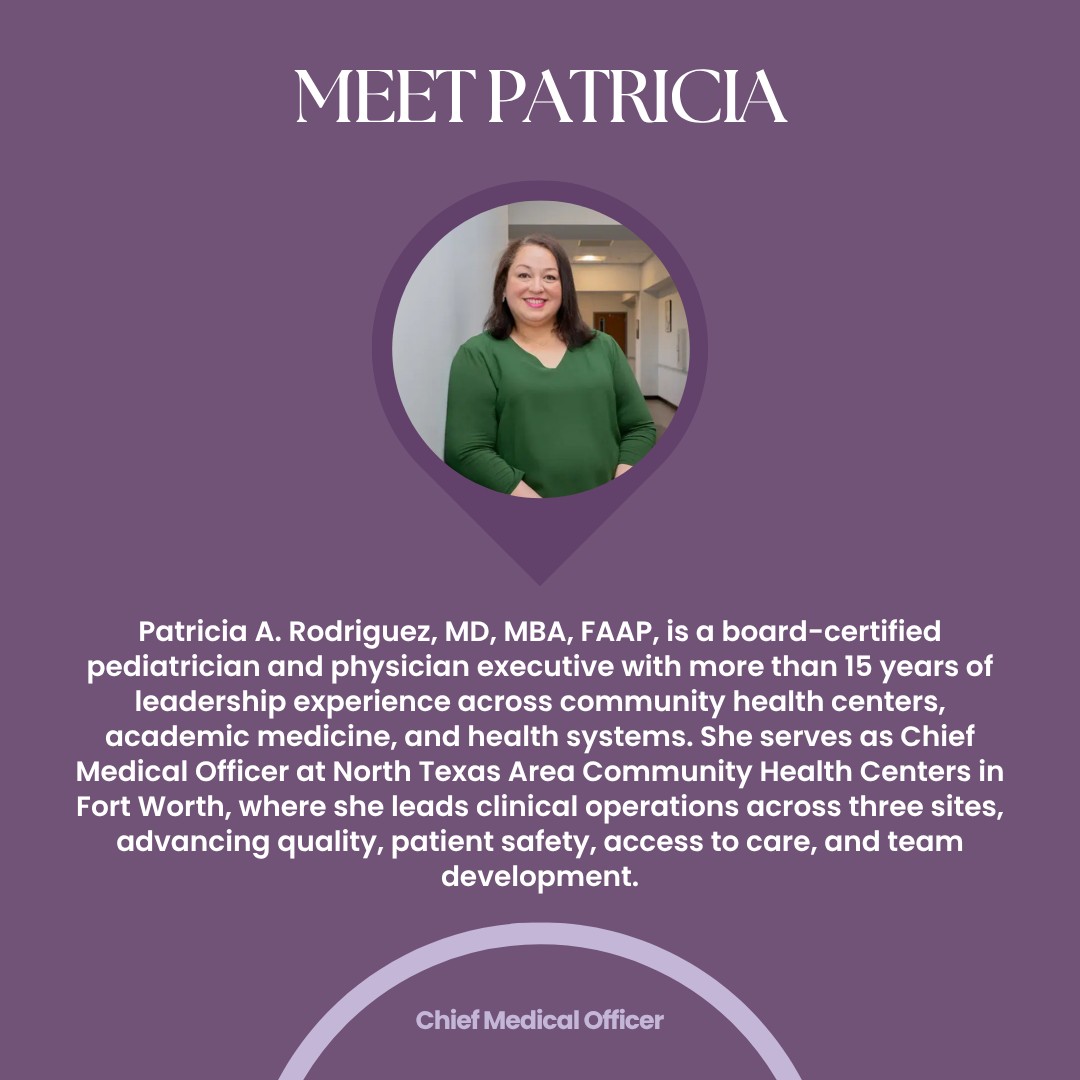
Previously, Dr. Rodriguez served as Vice President and Chief Health Equity Officer at Children’s Health in Dallas and Director of Pediatrics at Vecino Health Centers in Houston. Her work has strengthened preventive care, improved chronic disease outcomes, and expanded collaboration to better meet the needs of patients and families.
Dr. Rodriguez earned her medical degree from the University of Texas Medical School at Houston and her MBA from the University of Texas at Dallas. Her leadership is grounded in service, authenticity, and trust, with a commitment to helping patients feel heard and empowering the people she leads to contribute and grow.
What first drew me to healthcare was a fascination with science and the human body. When I was about six years old, I came across an encyclopedia with transparent acetate pages you could layer on top of one another, revealing the body from the skeleton to the skin. I remember turning those pages and being completely mesmerized by how everything fit together. It was incredible to discover what our bodies are built to do. I wanted to understand how it all worked.
As that curiosity grew, what became most compelling was the opportunity to blend the wonder of science with making a meaningful difference in someone’s life. I wanted to be a healer-to help people understand what was happening in their bodies and what we could do to resolve a problem or improve their situation. There was something deeply meaningful about being able to turn knowledge into help, whether that meant treating an illness, easing someone’s worry, or helping them find a way forward. At its heart, I wanted to make things better for people.
What surprised me most was the level of distrust in physicians and the resistance to evidence-based medicine. I entered the field with such an appreciation for science that I hadn’t anticipated how often medical recommendations would be met with skepticism or dismissed altogether. It was difficult to reconcile the advances that have helped people live longer, healthier lives with how readily misinformation could undermine confidence in that progress.
I also recognize that medicine has a history of paternalism, and we have a responsibility to listen, explain our reasoning, and earn trust. I believe in collaborative decision-making. Patients bring essential knowledge about their bodies, their experiences, and what matters most to them. As physicians, we bring clinical expertise and the best available evidence. Both belong in the conversation.
That experience has taught me that helping people requires more than knowing the science. It requires understanding their concerns and building a relationship in which we can thoughtfully consider the evidence together. I want patients to feel heard and empowered, while also understanding why a recommendation matters and what supports it.
Five things are guiding me in this season of my career:
Staying connected to purpose. I keep coming back to the people behind our decisions: patients, families, and the teams caring for them. Staying involved in clinical care helps keep that perspective close.
Protecting my energy and where I dedicate my efforts. I used to feel like Superwoman. I believed I could do everything, take on anything, and do it all better than anybody else. Over time, I realized the person being sacrificed to make that possible was me-along with my personal time. Setting boundaries still takes intention, especially when I care deeply about the work. But I am slowly learning to care for myself as much as I care for others. I deserve that same love and care.
Leading with authenticity and accountability. I want people to know what they can expect from me. That means listening, communicating honestly, acknowledging when I get something wrong, and holding myself to the expectations I set for others.
Making room for curiosity. Completing my MBA reinforced how much I enjoy learning. At this stage of my career, I still want to ask better questions, challenge my assumptions, and learn from people whose experience differs from mine.
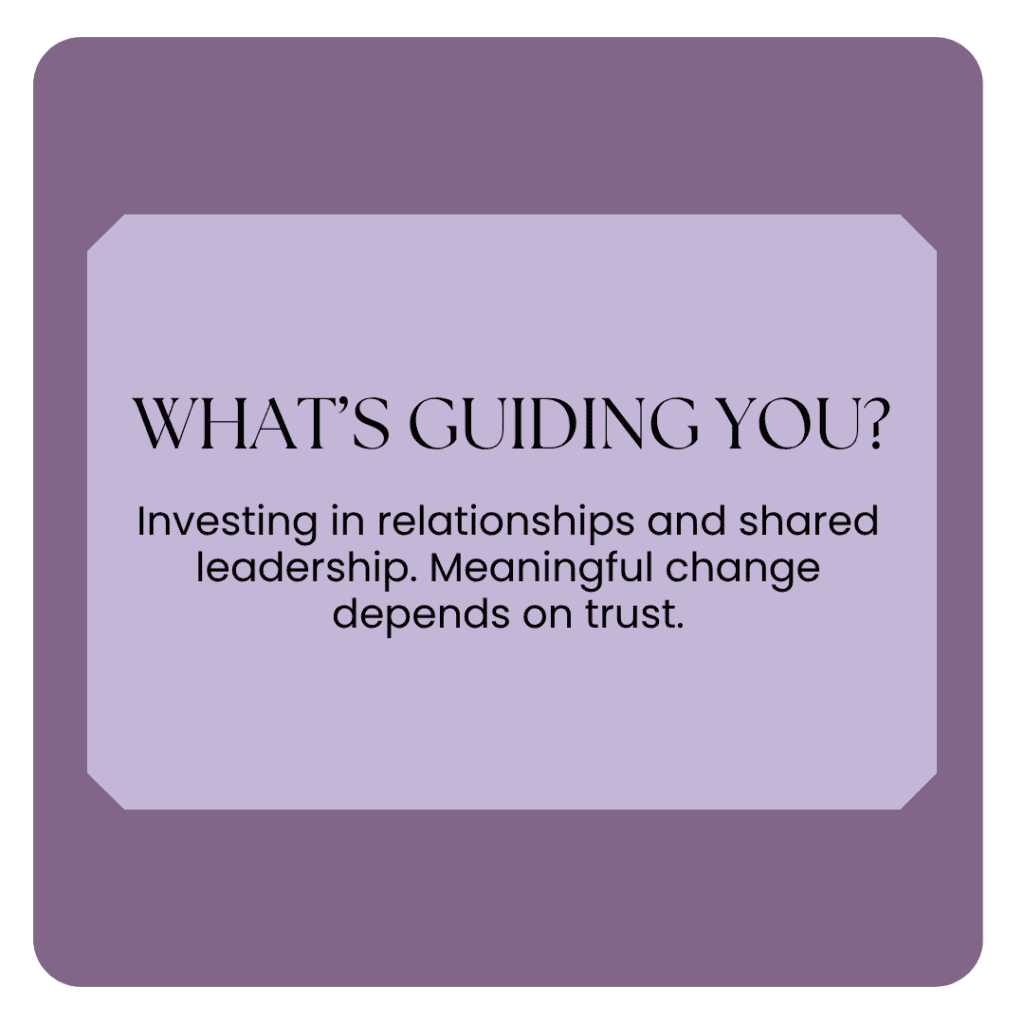
Investing in relationships and shared leadership. Meaningful change depends on trust. I protect time to support my team, develop other leaders, and build relationships across the community. I want people to feel confident contributing their ideas and raising concerns, because that makes our care and our organization stronger.
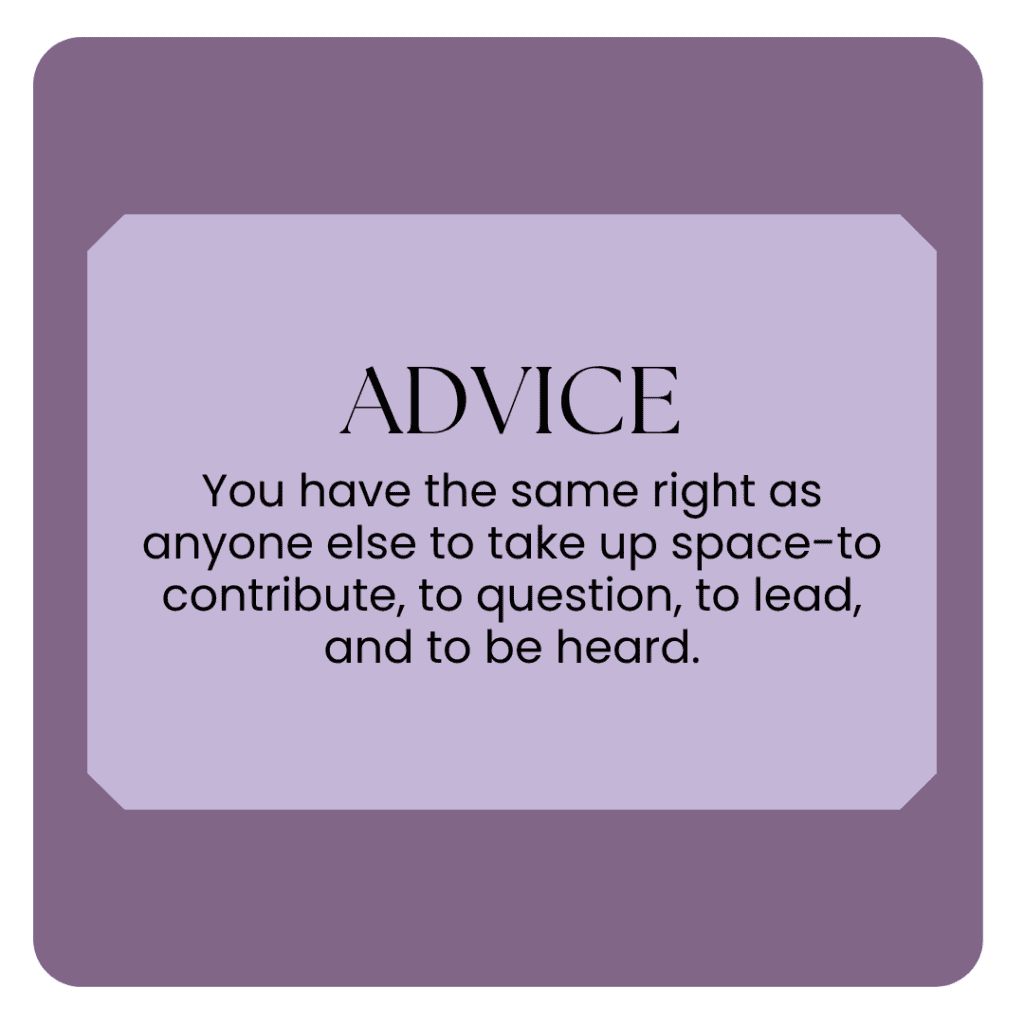
Do not make yourself small to make other people comfortable. You have the same right as anyone else to take up space-to contribute, to question, to lead, and to be heard.
I think many of us learn early, as girls and women, to accommodate others, soften our opinions, and put our own needs or ambitions last. Those messages can become so ingrained that we carry them into our professional lives without realizing it. Unlearning them takes intentional work. I am still working on this myself!
In healthcare, your perspective matters. Speak with conviction, name your accomplishments, and pursue the opportunities you have worked for. You can be compassionate, collaborative, and considerate while still standing firmly in your expertise and knowing your worth. You do not have to diminish yourself to make room for someone else.
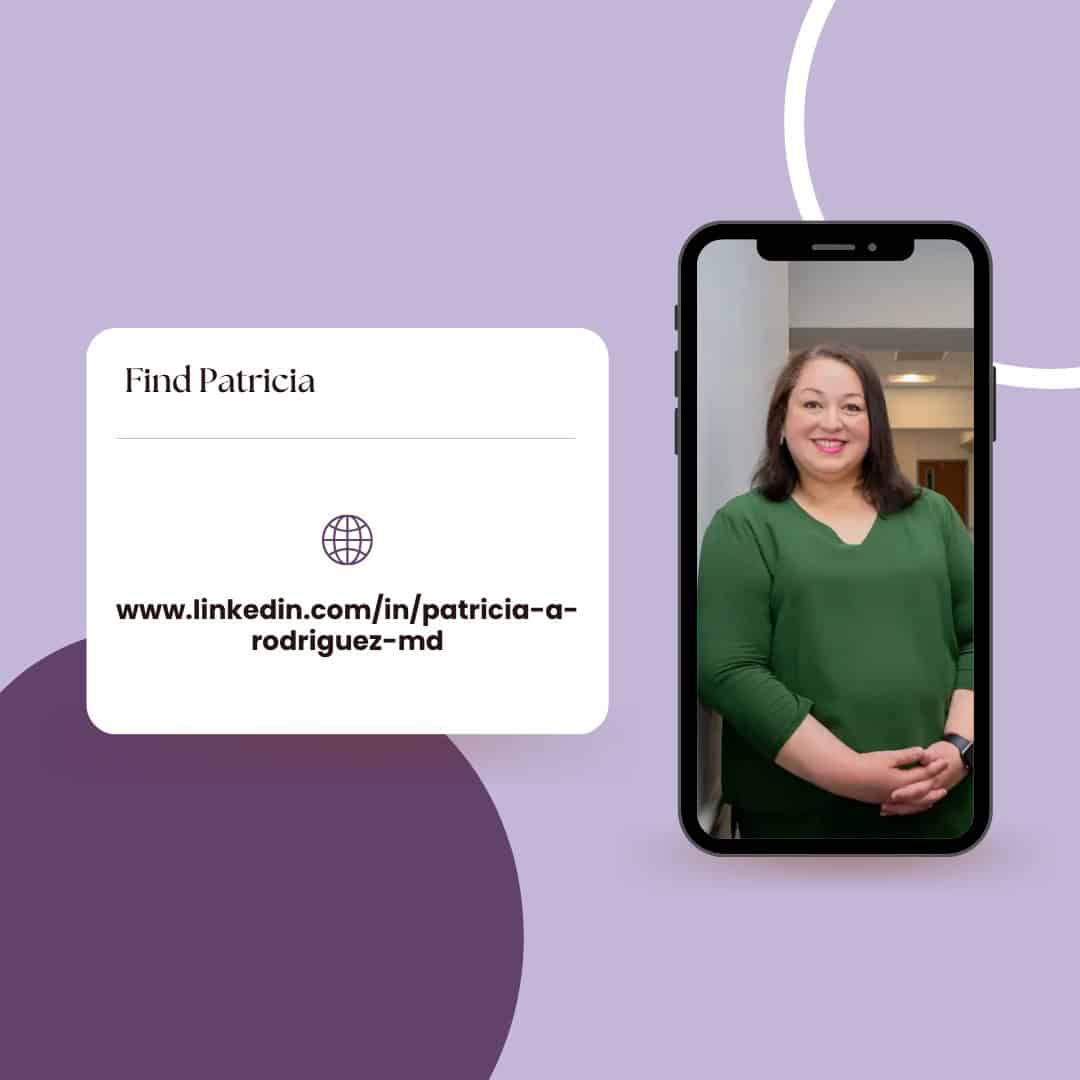
Readers can connect with me on LinkedIn. I welcome conversations about healthcare leadership, community health, and supporting women in medicine.