
That was all.
She knew exactly where the cards were, just past the front entrance on the right, which meant there was absolutely no reason for her to be standing twenty minutes later in an aisle labeled Travel & Adventure holding a book about Italy.
She wasn’t planning a trip to Italy.
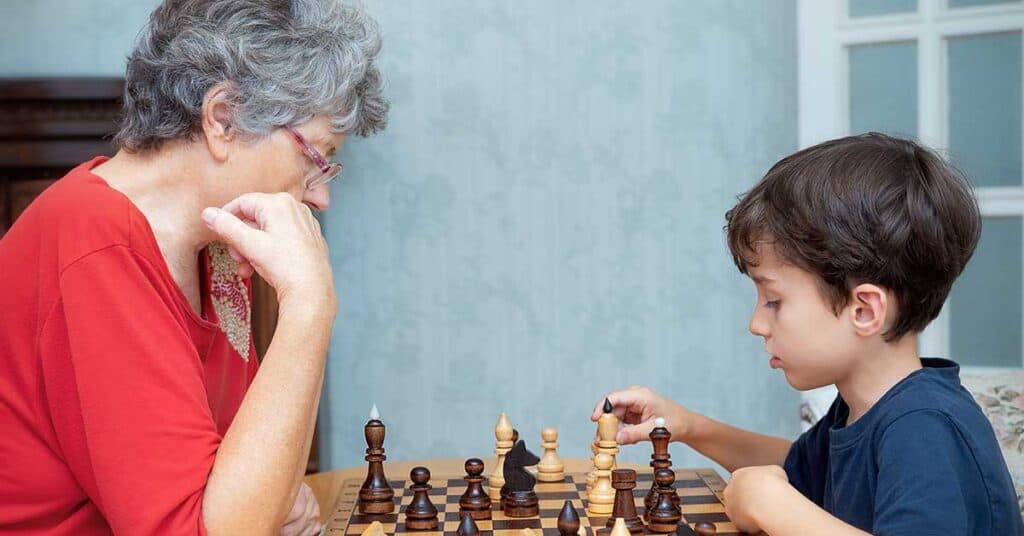
She knew enough about chess to know that her grandson was making up the rules. She hadn’t played in years, so when he pulled out the board and asked if she wanted to play, she warned him that she might be a little rusty. He assured her that was fine because he knew exactly how to play.
Within five minutes, she knew that wasn’t entirely true.

She saw the shoes in the window.
Bright red. Not burgundy. Not wine. Not the tasteful shade of red that could almost pass for a neutral if you wore it with the right pants.
Red.
The kind of red that entered a room before you did.
She stopped. Then kept walking. She had absolutely nowhere to wear red shoes like that. Three stores later, she was still thinking about them. This annoyed her.
She had come to the shopping center because she needed a birthday gift for a friend and a new white blouse for herself. She had already found the gift. The blouse was proving more difficult, but she was committed to the mission.

What drew you to healthcare originally?
For as long as I can remember I’ve been interested in teeth. I didn’t play house as a child, I played dentist. Growing up I knew a woman who was a Dental Hygienist and she worked 3 days a week and had a family. I liked that flexibility as I also wanted to eventually have a family.

She had no idea where she was going. That was unusual. She was good at know where she was going.
She made reservations. Checked directions. Looked at reviews. Knew what time things opened and approximately how long it would take to get there. She wasn’t obsessive about it. At least she didn’t think she was. She just liked having a plan.
But on this particular Saturday morning, she had none.
She had driven about forty minutes out of town to visit a little shop someone had mentioned weeks earlier. It turned out to be closed. Normally that would have irritated her. Forty minutes there. Forty minutes back. Nothing accomplished. A wasted morning.

She almost said no. Actually, she had already started to. “I don’t really…” Then she stopped. Her friend was looking at her across the table, waiting.
It wasn’t an outrageous suggestion. No one was asking her to jump out of an airplane, move to another country, or do anything remotely worthy of the expression on her face.
Her friend had simply asked if she wanted to take a beginner pottery class with her.
Pottery.
She knew absolutely nothing about pottery. She wasn’t artistic. At least she didn’t think she was. She had never been particularly good at making things with her hands, and she could already picture herself sitting at a wheel while everyone else created beautiful bowls and she produced something resembling a lopsided ashtray.

She wasn’t looking for anything in particular.
She had stopped at the grocery store on her way home because she was out of coffee and needed a few things for dinner. It was the same store she had visited for years. She knew exactly where everything was. Without thinking, she pushed her cart down the familiar aisles, reached for the same brands, and followed the same path she always had.
The she found herself standing in front of an entire wall of pasta sauce.
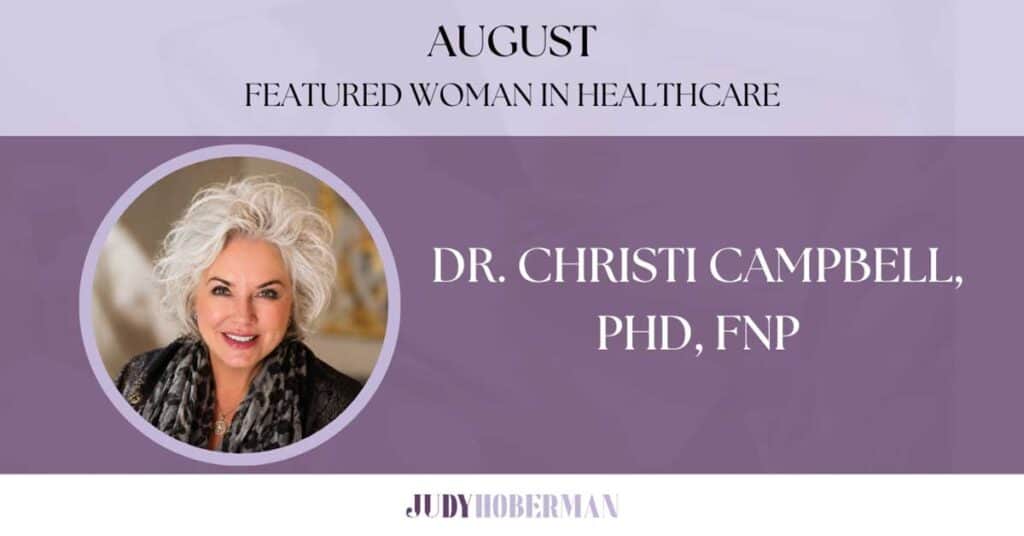
Known for bridging evidence-based healthcare with a deeply human approach to healing and well-being, Dr. Campbell has become a respected voice in leadership, authenticity, and transformational growth. Throughout her career, she has been guided by a belief that healing extends beyond the treatment of symptoms and includes honoring the physical, emotional, mental, and spiritual dimensions of the human experience.

For years, leadership was rewarded for speed. Quick decisions, fast pivots and rapid execution. The leader who could move first often appeared strongest. The one who could act without hesitation looked confident and decisive.
But we are entering a moment where speed is no longer the differentiator. AI can generate options faster than any leader. It can summarize, synthesize and model scenarios in seconds. It can surface patterns that once took a team weeks to uncover.

AI is quickly becoming a part of the leadership landscape, whether we like it or not.
Some companies are even signaling that AI usage is becoming part of how they evaluate readiness for leadership. In other words, AI fluency is turning into a credibility marker, not a side skill.
That can make leaders feel like they’re standing on a moving walkway. Even leaders who are competent and accomplished are asking, “Am I going to be expected to keep up with tools I didn’t ask for?”
Here’s the truth I want women leaders to hear clearly…AI can support leadership. It can speed things up, and it can summarize, draft, model scenarios and make patterns easier to see. But…it cannot do the most important part of leadership. And that’s not a motivational poster statement. It’s practical. Because leadership isn’t just information. Leadership is responsibility.

For a long time, leadership advice for women sounded like this:
Move faster. Speak up sooner. Lean in harder. Claim your seat at the table.
The underlying message was always about acceleration. If women could just move quickly enough, confidently enough, decisively enough, the path upward would open.
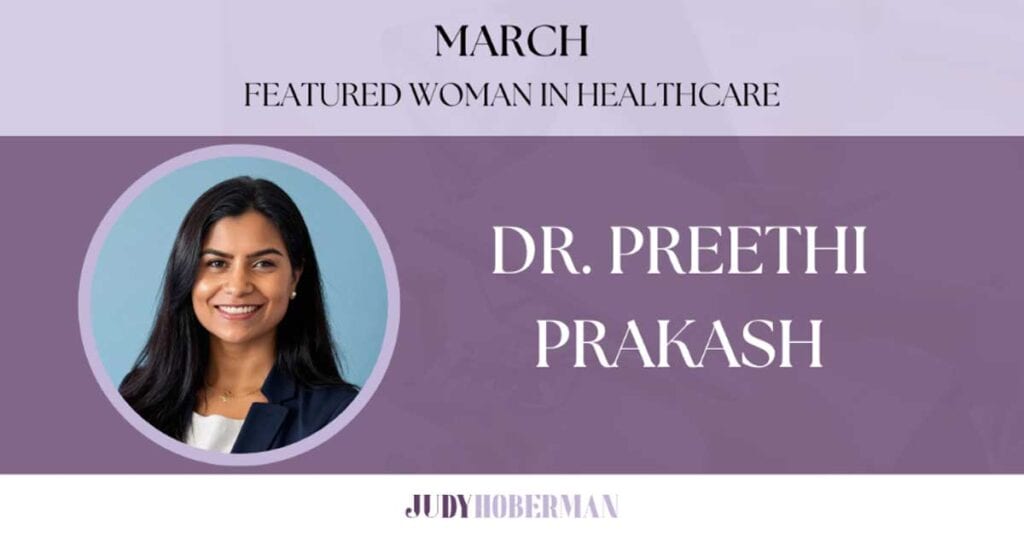
I was drawn to healthcare because of a very personal experience growing up. I suffered from chronic sinusitis, and by high school it was significantly affecting my daily life. I remember feeling constantly unwell and frustrated. I couldn’t sleep because my nose was blocked most of the time, and I often had difficulty breathing. It may sound like a small thing, but when you live with it every day, it affects your concentration, your energy, and your overall sense of well-being.
When I was finally referred to an ENT specialist, the treatment he prescribed brought remarkable relief. For the first time in a long while, I could breathe comfortably and sleep through the night. That experience stayed with me. It made me realize how transformative healthcare can be — not just in treating disease, but in restoring quality of life.
