
She would have replayed the conversation in her mind before it even happened, carefully choosing words that might help everyone understand why she made the decision she did. She wanted people to see what she saw. To know what she knew. To understand why this mattered so much to her. Not because she needed to be right. Because she wanted to be understood.
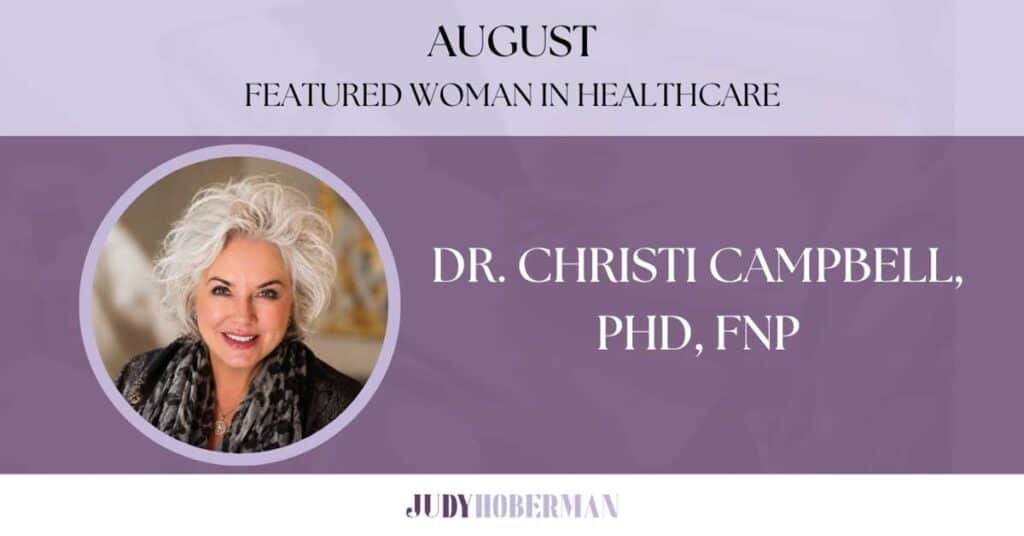
Known for bridging evidence-based healthcare with a deeply human approach to healing and well-being, Dr. Campbell has become a respected voice in leadership, authenticity, and transformational growth. Throughout her career, she has been guided by a belief that healing extends beyond the treatment of symptoms and includes honoring the physical, emotional, mental, and spiritual dimensions of the human experience.

She smiled politely when someone said, “I miss the old you.”
For just a moment, she almost answered, “I don’t.” Not because she was angry. Not because she regretted the woman she used to be. But because she had finally realized something that had taken years to understand.
The woman they missed had spent much of her life making sure everyone else was comfortable. The woman standing here now was finally learning to make room for herself.
One of the things I’ve noticed about women is how often we explain ourselves. We explain why we can’t make it to dinner. We explain why we said no to another commitment. We explain why we’re changing careers, slowing down, starting over, setting a boundary, leaving a role, or choosing something different.
Sometimes we explain before anyone has even asked.
It’s almost as though we’ve been conditioned to believe that every meaningful change requires a well-prepared defense. We gather evidence. We build our case. We make sure everyone understands that our decision is reasonable, responsible, and justified. Only then do we allow ourselves to move forward.

She was looking for permission to trust her own.
Most women don’t arrive at life’s crossroads because they lack information. By the time they reach a significant decision, they’ve usually done the research. They’ve weighed the options. They’ve considered the impact on the people they love. They’ve imagined every possible outcome and replayed the decision from more angles than anyone else ever will.
The issue is rarely preparation. It’s trust.

I’ve lost count of how many times I’ve heard a woman say, “I just want to get back to myself.”
Sometimes she says it quietly, almost as if she’s admitting something she hasn’t even allowed herself to think before. Other times she laughs when she says it, trying to soften the weight of the words. But no matter how it’s expressed, the feeling underneath is remarkably similar.
Somewhere along the way, she believes she lost herself.
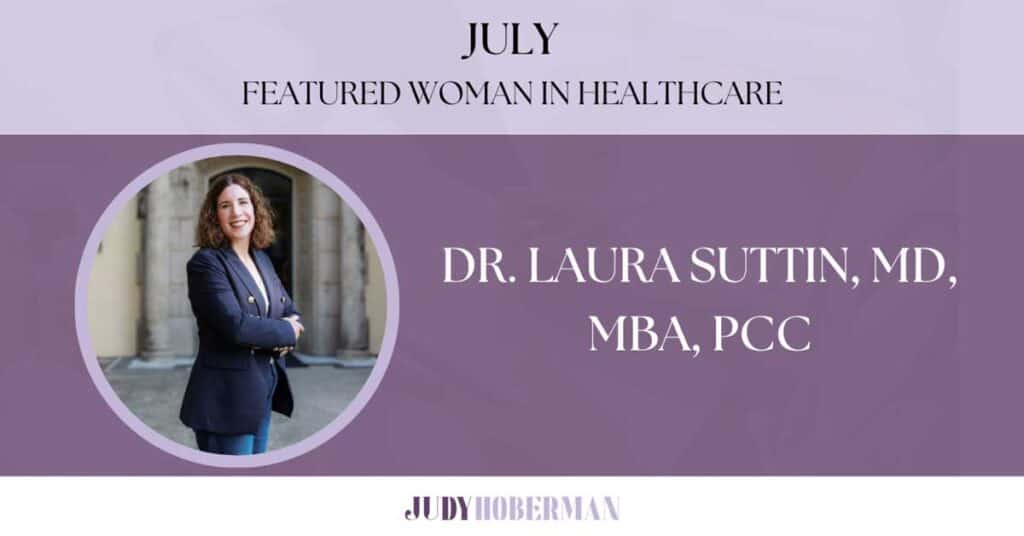
She spent more than fourteen years at WellMed Medical Group/ Optum in progressive medical director roles, where she founded the Office of Clinician Excellence, launched a peer coaching program, and co-founded the Clinical Health and Safety team. Those years in system leadership shaped how she thinks about medical practice, clinician workforce, and organizational design.
She received her MD from McGovern Medical School in Houston, completed her family medicine residency at Christus Spohn Memorial in Corpus Christi, and earned her MBA from the University of Texas at Dallas. She holds the Professional Certified Coach (PCC) credential from the International Coaching Federation.
Outside of her consulting work, Dr. Suttin serves as Chair of the South Central Texas Regional Board of Trustees for Blood Cancer United, an organization for which she has volunteered since 2020. She lives in San Antonio with her husband and their four children, and she’ll take any excuse to travel somewhere new. When she’s not on the road, she’s training for her next half marathon or camping with her husband and rescue dog in their travel trailer.

There is a particular kind of confusion that many women experience but rarely talk about.
It doesn’t happen when life falls apart. It happens when life appears to be working.
The career is successful. The family is doing well. The responsibilities are being managed. The bills are paid. The calendar is full. The life that once felt like a dream may now be the life you’re living.
From the outside, everything looks right. Which is why the feeling can be so difficult to explain. Because despite all of that, something doesn’t feel quite right. Not wrong. Not broken. Just… off.

There comes a point in many women’s lives when they realize they have spent decades earning.
Earning opportunities. Earning promotions. Earning trust. Earning respect. Earning financial security. Earning the right to take up space. Earning the confidence of others. Earning the title, the role, the seat at the table.
For many women, achievement begins early. Work hard. Be responsible. Be prepared. Be dependable. Prove yourself. Add value. Contribute. Carry your share.

There area few words women use more often, and reveal less through, than this one:
“Fine.”
How are you? Fine
How’s work? Fine
How are things at home? Fine
How are you holding up? Fine
It’s become such an automatic response that most of us don’t even think about it anymore. We say it in passing, with a smile, while juggling schedules, answering emails, managing responsibilities, and moving on to the next thing on the list.

One of the most confusing things about growth is that other people often become attached to versions of us that no longer exist. Not because they are trying to hold us back, and not because they want something bad for us. But because those versions worked.
You know…the dependable one, the strong one, the achiever, the caretaker, the woman who always said yes, the woman who could handle anything…and the woman everyone counted on.
There is a kind of grief that rarely gets talked about. Not because it is uncommon, but because it can be difficult to explain. Most people understand grief when something ends. A relationship ends. A career ends. A chapter closes. There is a clear event, a visible transition, and people recognize that something has been lost.
